Film Plant Chillers: Maximizing Clarity and Strength in Film Extrusion
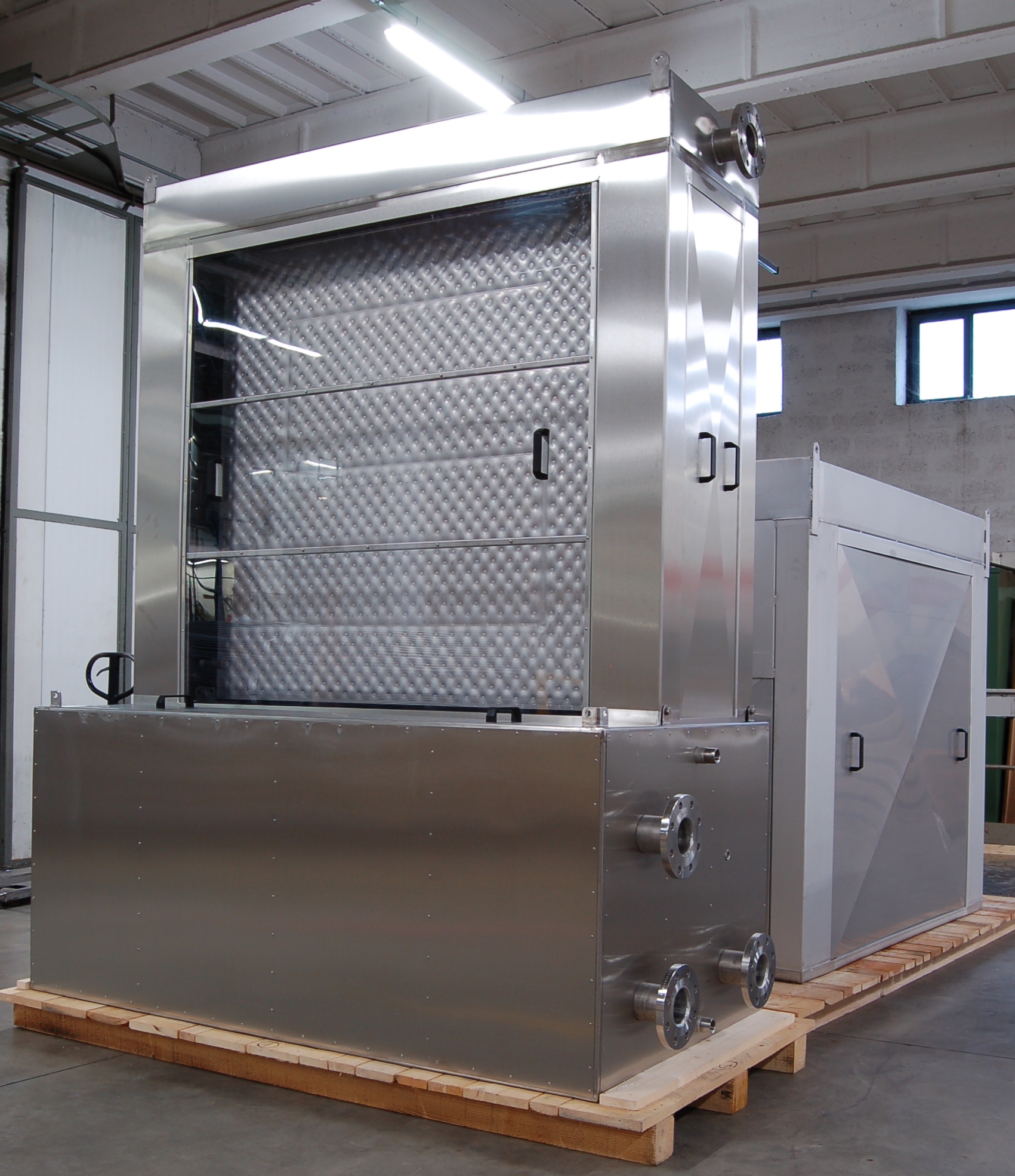
In the high-stakes world of plastic film production, temperature is the most critical variable. Whether you are operating a blown film line or a cast film plant, a film plant chiller is the heartbeat of the operation. It provides the precise thermal regulation required to “quench” molten polymer, transforming it into high-quality film with superior optical clarity and mechanical strength.
From grocery bags and stretch wraps to high-barrier medical packaging, a dedicated chiller ensures that your extrusion line runs at peak velocity without sacrificing product integrity.
Why Precision Cooling is Essential for Film Extrusion
The transition from a molten melt to a solid film happens in seconds. If this cooling process is inconsistent, the entire batch can be compromised.
A dedicated film plant chiller solves four major production challenges:
- Optical Clarity: Rapid and uniform cooling prevents large crystal growth in polymers like PE and PP, ensuring the film remains transparent and glossy rather than hazy.
- Thickness Consistency (Gauge Control): Fluctuations in cooling air or water temperatures cause variations in film thickness. Chillers provide the stability needed to maintain tight gauge tolerances.
- Increased Output Speeds: The faster you can remove heat from the “bubble” or the cast roll, the faster you can run the extruder. Chillers allow for maximum throughput.
- Mechanical Properties: Proper quenching ensures the film has the correct puncture resistance, tensile strength, and “cling” characteristics required for industrial applications.
Applications Across the Film Industry
| Process Type | Chiller Role | Key Benefit |
| Blown Film | Cools the air in the “Air Ring” and Internal Bubble Cooling (IBC) | Stabilizes the bubble for faster line speeds and better gauge. |
| Cast Film | Cools the internal circuit of the “Chill Rolls” | Provides instant quenching for high-clarity stretch and barrier films. |
| Biaxially Oriented (BOPP/BOPET) | Manages temperature during the stretching process | Ensures uniform orientation and prevents film breakage. |
| Lamination Lines | Cools the rollers after thermal bonding | Sets the adhesive and prevents the film from curling or sticking. |
Must-Have Features for Film Plant Chillers
A film plant is a high-demand environment that requires more than a general-purpose chiller. Look for these industrial specifications:
- Ultra-Precise Temperature Stability: Advanced PID controllers maintaining $\pm 0.1^{\circ}C$ to $\pm 0.5^{\circ}C$ to ensure every meter of film is identical.
- High-Flow/High-Pressure Pumps: Necessary to move coolant through the intricate internal channels of large-diameter chill rolls or high-efficiency air rings.
- Ambient Temperature Compensation: Smart sensors that adjust cooling output as the factory temperature changes throughout the day.
- Anti-Corrosion Circuits: Stainless steel or non-ferrous water circuits to prevent rust and scaling, which can clog sensitive cooling channels.
The Business Case: ROI of High-Performance Cooling
- Drastic Reduction in Scrap: Consistent cooling eliminates “burn-through,” hazy patches, and wrinkles, putting more sellable product on the core.
- Energy Efficiency: Modern chillers utilize Variable Frequency Drives (VFD) and eco-friendly refrigerants, reducing the carbon footprint and utility costs of the extrusion hall.
- Extended Equipment Life: By preventing heat-soak in the machinery, chillers protect bearings, rollers, and sensitive IBC sensors from premature failure.
- Faster Changeovers: High-accuracy chillers allow operators to reach setpoint temperatures quickly when switching between different resin types (e.g., LDPE to LLDPE).
Conclusion
A film plant chiller is more than just a support utility; it is a vital quality-control tool. By mastering the quenching process, you empower your facility to produce thinner, stronger, and clearer films that meet the most demanding global standards.