
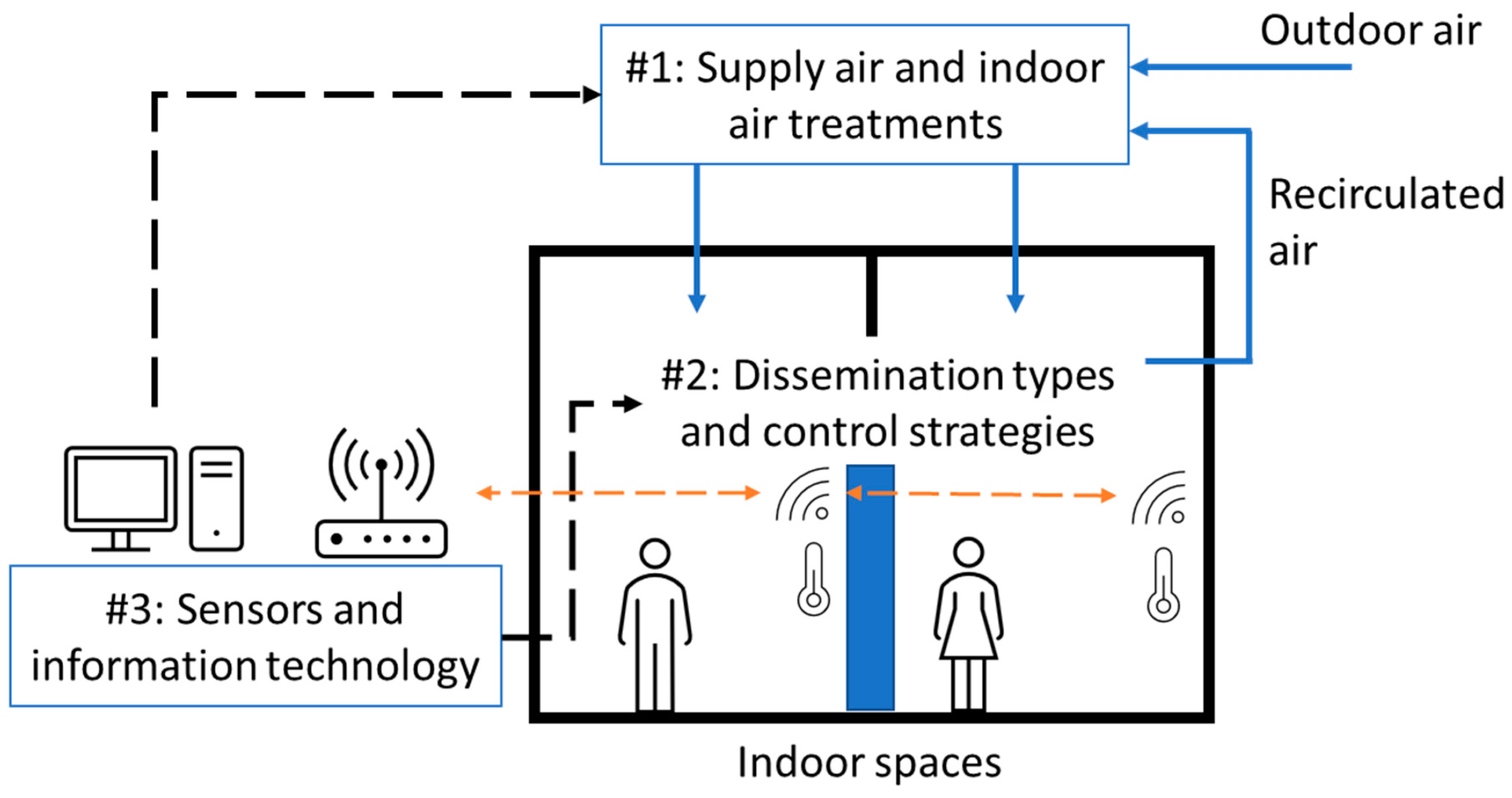
The efficiency of AHU coils has a direct impact on Indoor Air Quality (IAQ) in commercial, industrial, and residential buildings. Finned tube coils, whether used for heating or cooling, are responsible for proper heat transfer and air movement within an Air Handling Unit (AHU). When coils operate efficiently, they maintain optimal temperature and humidity levels, prevent moisture accumulation, and minimize the growth of mold, bacteria, and dust mites. Conversely, poorly maintained or inefficient coils can lead to restricted airflow, uneven heating or cooling, and microbial contamination, all of which compromise indoor air quality and occupant comfort.
Several factors influence coil efficiency, including coil cleanliness, fin condition, material selection, and proper airflow distribution. Regular cleaning and maintenance, along with selecting high-performance materials such as copper, aluminum, or stainless steel, ensure that the coils provide consistent heat transfer without becoming a breeding ground for contaminants. Optimizing coil efficiency not only enhances IAQ but also reduces energy consumption, extends the life of HVAC components, and improves overall system performance. For facilities aiming to provide a healthy indoor environment, maintaining high coil efficiency is a crucial step toward better air quality, energy savings, and occupant comfort.