
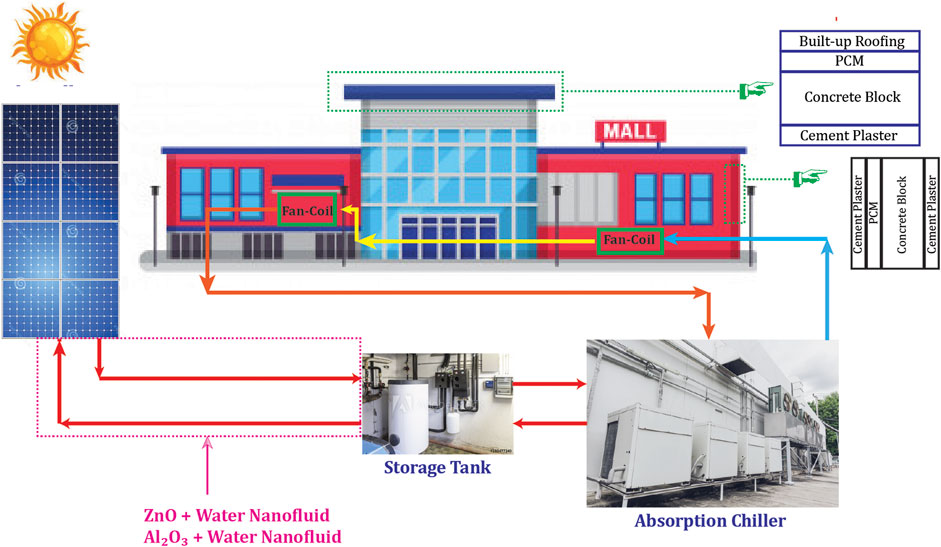
Heat transfer coils play a pivotal role in enhancing energy efficiency in modern buildings by optimizing thermal exchange between air, water, and refrigerants. These advanced coil systems are integral to HVAC performance optimization, helping maintain indoor thermal comfort while reducing energy consumption. In commercial, residential, and industrial spaces, high-performance heat transfer coils minimize operational costs by improving heat exchange efficiency and ensuring uniform temperature control.
By incorporating innovative coil designs such as microchannel coils, finned tube coils, and copper or aluminum tubing, building systems can achieve higher thermal conductivity with reduced airflow resistance, lowering fan power usage. Properly designed and maintained coils reduce the strain on chillers, boilers, and air handling units, enabling HVAC systems to operate at optimal capacity. This not only extends equipment lifespan but also significantly cuts down carbon emissions, aligning with green building certifications like LEED and BREEAM.
Energy recovery coils further enhance performance by capturing and reusing waste heat from exhaust air, which is then used to preheat or precool incoming fresh air. This process drastically reduces the load on heating and cooling equipment, contributing to HVAC energy savings of up to 30%. Additionally, integrating anti-corrosion coatings and high-efficiency coil cleaning schedules ensures that the coils maintain maximum heat transfer efficiency over their service life.
For building owners and facility managers aiming for sustainable energy management, investing in optimized heat transfer coil technology is a strategic move. With the right design, materials, and maintenance practices, heat transfer coils not only lower utility bills but also boost indoor air quality and overall occupant comfort—making them an essential component in next-generation energy-efficient building solutions.