U-tube heat exchangers are widely used in industries due to their compact design and ability to handle high temperature and pressure applications. However, like any equipment that handles fluids, they are prone to fouling, scaling, and deposits that can reduce their efficiency over time. Regular cleaning and inspection are essential to maintain peak performance and extend the life of the equipment. Neglecting maintenance not only lowers heat transfer efficiency but also increases operating costs and the risk of unplanned shutdowns.
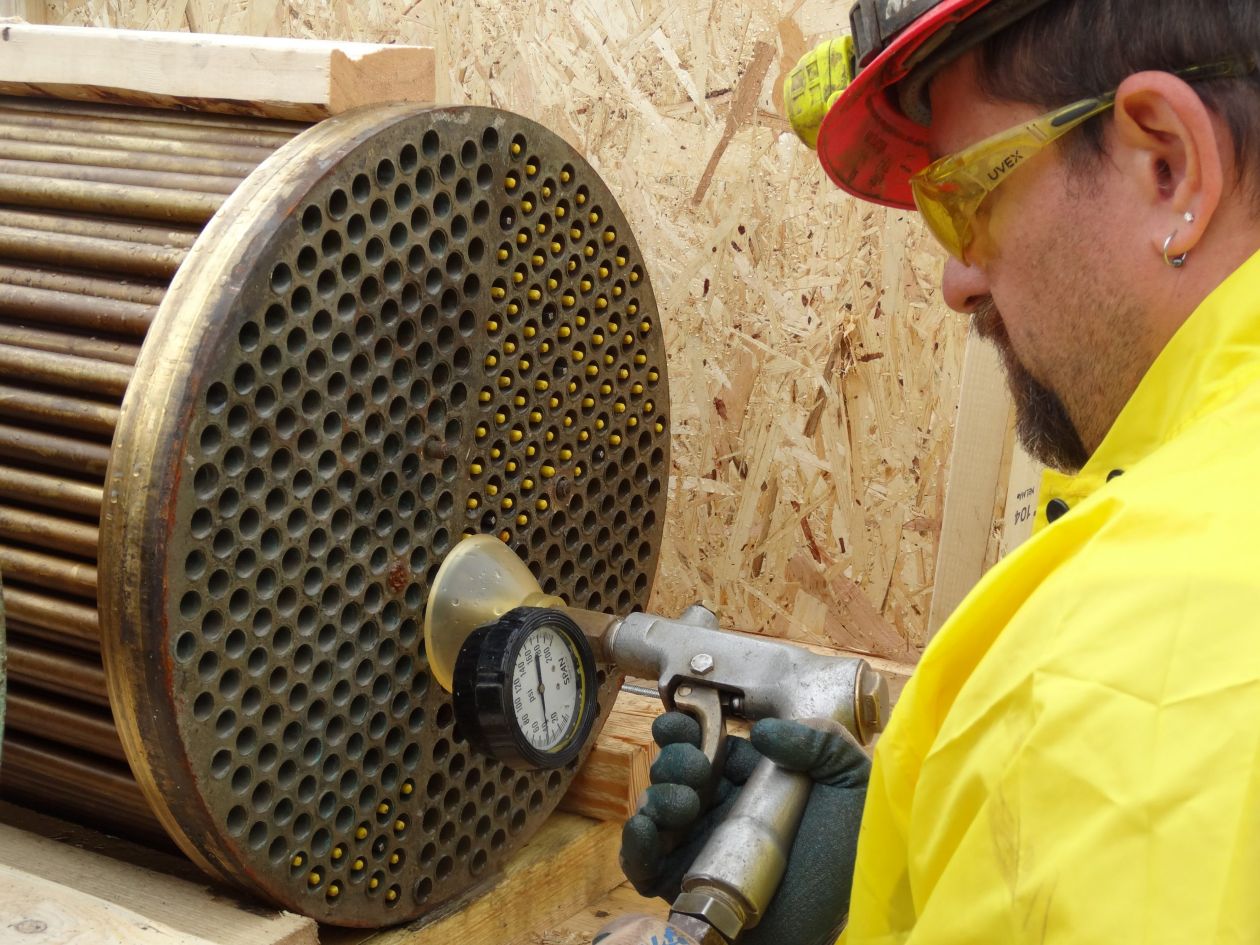
One of the most effective cleaning methods for U-tube heat exchangers is mechanical cleaning. Since the U-tube design allows for tube bundle removal, technicians can access and clean both the inner and outer tube surfaces. Tools like brushes, scrapers, or high-pressure water jets are commonly used to remove deposits, scale, and debris. This method is particularly effective in industries where fouling is common, such as chemical plants, refineries, and food processing units. Ensuring that deposits are regularly removed helps maintain consistent heat transfer rates and prevents overheating or corrosion.
In addition to mechanical cleaning, chemical cleaning methods are also widely employed. Chemical descaling involves circulating cleaning agents, like mild acids or specialized solutions, through the heat exchanger to dissolve mineral deposits and biofouling. This is especially useful for hard-to-reach areas in U-tube bends where mechanical cleaning might not be sufficient. Proper chemical cleaning requires careful selection of cleaning agents to avoid damaging tube materials such as copper alloys, stainless steel, or titanium. Performing both mechanical and chemical cleaning on a regular schedule ensures thorough maintenance.
Inspection plays an equally important role in ensuring the reliability of U-tube heat exchangers. Common inspection techniques include visual checks, borescope inspections, ultrasonic thickness testing, and eddy current testing. These methods help detect tube wall thinning, cracks, or corrosion before they lead to costly failures. Routine inspections also verify the condition of baffles, tube sheets, and headers. By combining cleaning and inspection practices, industries can maximize the efficiency, safety, and service life of their U-tube heat exchangers while reducing downtime and energy consumption.