
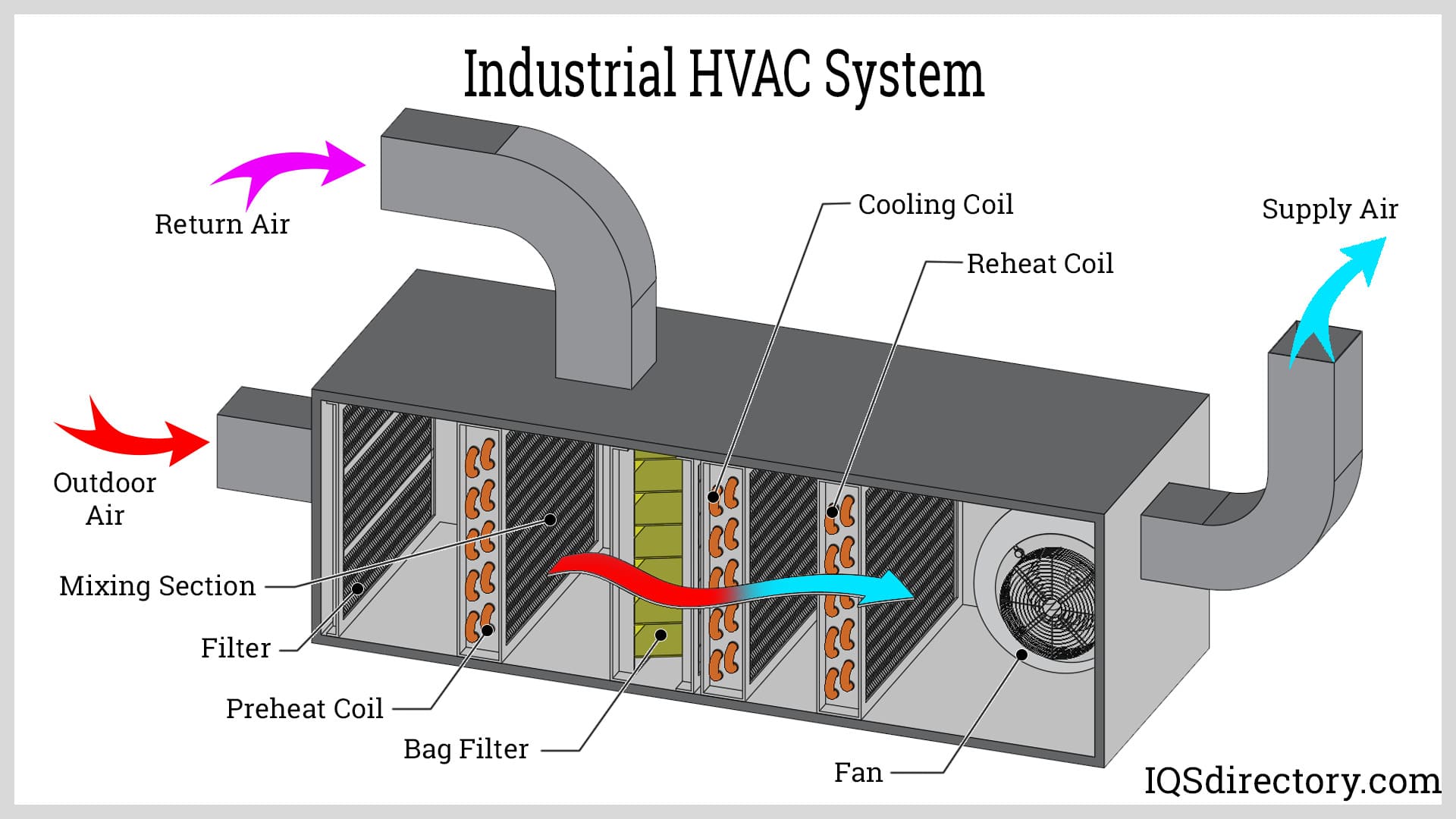
Enhancing air circulation is essential for achieving uniform cooling in your home or office, especially during hot summers when uneven temperatures can lead to discomfort and higher energy bills. One unique strategy involves leveraging cross-ventilation with a twist: position box fans in opposite windows to create a wind tunnel effect, pulling in cool outdoor air while expelling hot indoor air, which can lower room temperatures by up to 5-7 degrees more effectively than a single fan setup. Pair this with ceiling fans set to rotate counterclockwise in summer mode to push air downward, distributing conditioned air from your HVAC system evenly across the space. This HVAC air circulation technique not only improves indoor air quality by reducing stagnant pockets where dust and allergens accumulate but also optimizes energy-efficient cooling by allowing your air conditioner to work smarter, not harder. Improving air circulation for uniform cooling is essential for enhancing the efficiency of HVAC systems and ensuring consistent temperature distribution in any space. One effective method is to strategically place fans or air circulators to promote airflow across the entire room. Ceiling fans, for example, can help push cool air downwards and distribute it evenly, preventing hot spots and reducing energy consumption. Additionally, ensuring that vents and registers are unobstructed and clean allows air to flow freely, which is crucial for maintaining uniform cooling.
For those seeking advanced solutions, consider installing smart vents or zoning systems that automatically adjust airflow based on room occupancy and temperature sensors, ensuring uniform cooling without manual intervention. A lesser-known tip is to use reflective window films or exterior shades to block solar heat gain before it enters the room, complementing your efforts to improve air circulation and preventing hot spots near south-facing windows. Integrating dehumidifiers alongside fans can further enhance cooling efficiency, as drier air feels cooler to the body—aim for 40-50% humidity levels to maximize the chilling effect of circulated air. These methods boost overall home ventilation strategies, making your living environment more comfortable and sustainable while cutting down on AC runtime. Another key strategy involves optimizing the layout of furniture and appliances to avoid blocking air pathways. Large objects placed near air vents can disrupt airflow, causing uneven cooling and forcing the system to work harder. Using adjustable vents or installing air deflectors can help direct airflow to areas that typically receive less cooling. Incorporating smart thermostats and zoning systems also allows for precise control over different areas, improving comfort and reducing energy waste.
Finally, regular maintenance plays a pivotal role; clean or replace HVAC filters every 1-3 months to prevent airflow restrictions that hinder uniform cooling, and strategically place furniture to avoid blocking vents, promoting seamless air movement. Experimenting with DIY diffusers made from perforated PVC pipes connected to ductwork can direct airflow to underutilized areas, a hack that’s gaining traction among eco-conscious homeowners for its low-cost impact on air quality improvement. By focusing on these tailored air circulation solutions, you’ll achieve a balanced indoor climate that feels refreshingly even, regardless of your space’s layout. Regular maintenance of the cooling system, including cleaning or replacing filters and checking ductwork for leaks, plays a vital role in maintaining proper air circulation. Leaky ducts can cause cool air to escape, leading to uneven temperatures and higher utility bills. Sealing ducts and insulating them properly ensures that cooled air reaches its intended destination efficiently. Moreover, integrating energy-efficient cooling technologies such as variable speed fans and advanced air handlers can further enhance air distribution and uniform cooling. By focusing on these practical steps—strategic fan placement, unobstructed vents, smart zoning, and diligent maintenance—you can significantly improve air circulation for uniform cooling. This not only boosts comfort but also extends the lifespan of your cooling system and lowers energy costs, making it a smart investment for any home or commercial space.