Introduction
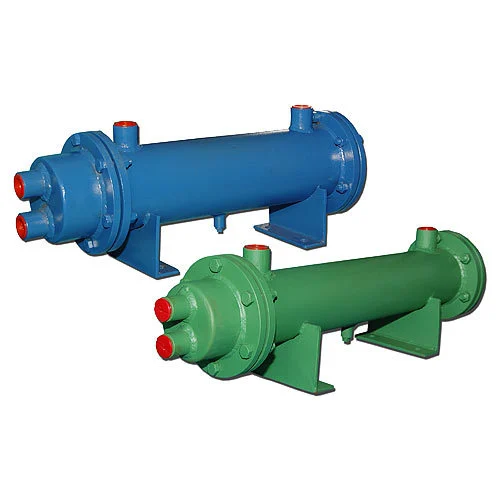
Hydraulic press oil cooler is specifically designed to regulate the temperature of hydraulic fluid, ensuring that it remains within the optimal range for performance and safety. By preventing overheating, it helps preserve oil viscosity, protects mechanical components, and ensures smooth and consistent operation of the press. Whether used in metal forming, plastic molding, or other industrial processes, hydraulic press oil coolers play a vital role in enhancing system reliability, reducing maintenance costs, and extending equipment life. As industries push for greater efficiency and sustainability, the importance of efficient oil cooling solutions continues to rise.
Key Benefits of Hydraulic Press Oil Cooler
Hydraulic press oil coolers offer several essential benefits that directly improve the reliability and performance of hydraulic systems:
- Temperature Stability: These coolers prevent the hydraulic oil from overheating during intense press operations, ensuring consistent system pressure and performance.
- Longer Equipment Life: By maintaining ideal fluid temperatures, oil coolers protect sensitive components like pumps, seals, and valves from thermal stress and premature wear.
- Reduced Maintenance Downtime: Controlled temperatures mean fewer breakdowns, less frequent oil replacements, and longer intervals between maintenance.
- Optimized Fluid Properties: Maintaining stable temperatures helps preserve the viscosity and quality of the hydraulic oil, ensuring smooth power transmission and lubrication.
- Energy Efficiency: Cooler systems operate with better hydraulic efficiency, reducing energy consumption and increasing productivity.
- Improved Workplace Safety: Overheating can lead to high-pressure fluctuations or fluid leaks. Oil coolers reduce such risks, contributing to safer operations.
Future Trends and Innovations
The future of hydraulic press oil cooling is shifting towards smart, sustainable, and highly efficient systems. Some of the latest trends and innovations include:
- Smart Monitoring & IoT Integration: Modern coolers are incorporating real-time temperature sensors and digital monitoring to track oil condition and system performance.
- Energy-Saving Designs: Innovations like variable-speed cooling fans and low-resistance fluid channels are being developed to reduce power consumption.
- Compact Cooling Units: Manufacturers are designing smaller, modular cooling systems that can fit into tighter industrial layouts while delivering high performance.
- Eco-Friendly Cooling Solutions: The industry is moving toward environmentally safe coolants and materials that reduce environmental impact without compromising efficiency.
- AI-Based Predictive Maintenance: Advanced oil coolers can now predict maintenance needs based on operating patterns, reducing unplanned downtime.
- Hybrid Cooling Technologies: Future systems will combine air and water cooling methods to handle extremely high-duty applications with greater precision.
Advantages of Using a Hydraulic Press Oil Cooler
- Efficient Heat Dissipation: Keeps hydraulic oil within a safe temperature range during continuous or heavy press cycles.
- Reliable System Operation: Prevents oil from thinning out or foaming, which could disrupt system pressure and control.
- Adaptability: Available in various sizes and configurations, oil coolers can be matched to any type of hydraulic press, from small to large-scale setups.
- Easy Integration: Modern oil coolers are designed to fit seamlessly into both new installations and retrofit applications, reducing setup time.
- Minimal Downtime: With durable construction and user-friendly access, most coolers require only basic routine cleaning and inspection.
- High Return on Investment: A relatively small component, yet it significantly improves press performance and lowers long-term operating costs.
Conclusion
Hydraulic Press Oil Cooler is far more than an auxiliary device and it’s a performance-enhancing component that safeguards your press system against heat-induced inefficiencies and failures. By maintaining a stable oil temperature, it boosts energy efficiency, minimizes maintenance, and ensures consistent, high-pressure performance. As the industrial world embraces smarter and more sustainable operations, modern oil coolers are evolving with innovations like AI-based controls, compact footprints, and eco-friendly materials. For any manufacturer looking to protect their hydraulic investment and streamline operations, choosing the right oil cooler is not just an option—it’s a necessity.