
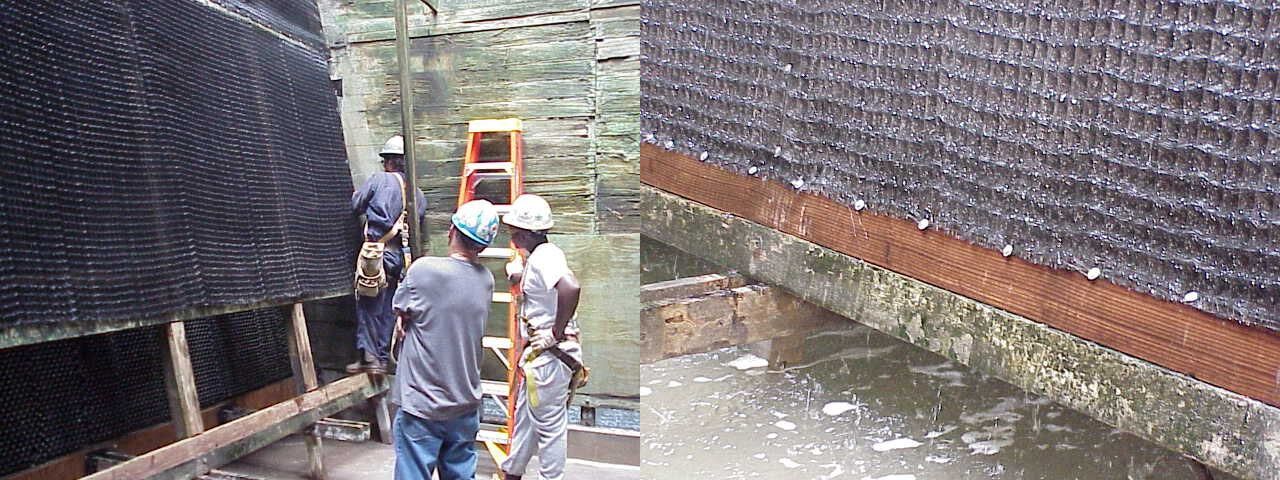
Evolution of Drift Eliminators in Water Management
Drift eliminators have evolved dramatically over the years, shifting from simple deflection devices to advanced systems engineered to maximize water retention and minimize loss. Innovations in drift eliminator design have allowed industries to employ these devices as critical components in water management strategies, leading to improved operational efficiency and reduced environmental impact. With unique engineering techniques and eco-friendly materials, modern drift eliminators are setting new benchmarks in water conservation and sustainable industrial practices, ensuring that every drop counts in sectors that depend heavily on regulated water flow. Drift eliminators are essential components in cooling towers, designed to minimize the escape of water droplets into the air, thereby enhancing Cooling Tower Efficiency. These devices work by capturing and redirecting fine mist that would otherwise lead to significant water loss, making them a cornerstone of Water Conservation Strategies in industrial settings. What makes this technology uniquely fascinating is its ability to blend engineering precision with environmental stewardship—think of it as a superhero cape for your HVAC system, preventing wasteful evaporation while adding a touch of irony to humanity’s endless quest to control nature’s cycles.
Advantages and Efficiency Enhancements
Drift eliminators offer numerous advantages, including significant enhancements in water use efficiency and reliability of water distribution systems. By providing targeted control and reducing undesirable water drift, these systems ensure optimal water retention, making them indispensable for industries such as manufacturing, agriculture, and energy production. Integrated with modern automation and real-time monitoring, contemporary drift eliminator designs have become the cornerstone of advanced water management, promoting long-term sustainability while optimizing operational costs and water resources. By installing effective drift eliminators, industries can reduce water drift rates by up to 99%, directly impacting HVAC Drift Reduction and overall operational costs. These eliminators use specialized baffles or chevron designs to coalesce droplets, ensuring that only minimal amounts escape, which is crucial for compliance with environmental regulations. A unique angle here is their adaptability to various climates; for instance, in arid regions, they not only conserve water but also prevent the spread of airborne contaminants, offering a witty counterpoint to human overconsumption—after all, why let perfectly good water go on an unintended adventure?
Optimizing Water Management With Modern Solutions
The integration of drift eliminators in water management systems marks a pivotal moment in industrial infrastructure design. Their ability to streamline water flow, address micro-climate challenges, and reduce overall water consumption has led to their widespread adoption across various sectors. By focusing on proactive water use strategies and incorporating smart controls, organizations benefit from lower water wastage and improved system uptime. Innovations in this field not only drive efficiency improvements but also help industries meet stringent environmental regulations and achieve corporate sustainability goals. Beyond basic water savings, drift eliminators contribute to broader sustainability goals, such as Industrial Water Management and Energy-Efficient Cooling Solutions, by maintaining optimal system performance and reducing makeup water needs. Their low-maintenance design and compatibility with modern materials like PVC or polypropylene make them a smart, long-term investment for facilities aiming to cut emissions. Uniquely, in data centers or large-scale manufacturing, they can integrate with IoT monitoring for real-time adjustments, highlighting humanity’s humorous attempts to outsmart physics—because who knew a simple gadget could turn water loss into a win for the planet?