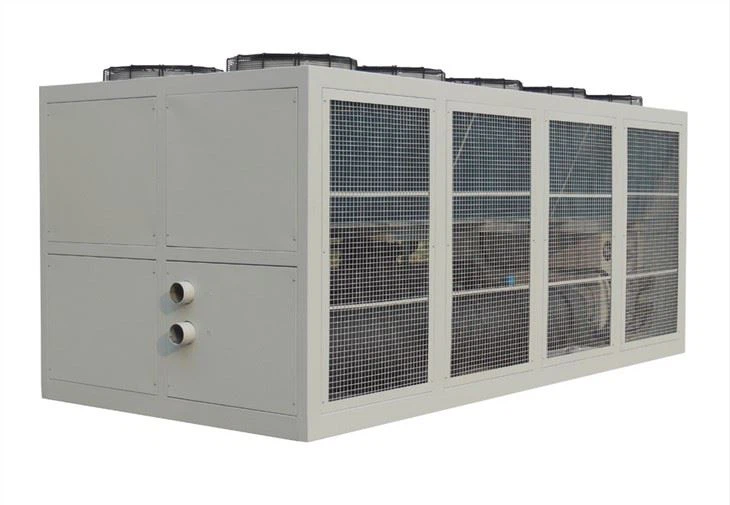

To rank for “Liquid Chilled-Water Systems,” your content needs to bridge the gap between high-level engineering and practical business ROI. This term is often searched by facility managers and mechanical engineers looking for sustainable, large-scale cooling solutions.
Here is a SEO-optimized content framework for that specific title.
Primary SEO Title
High-Performance Liquid Chilled-Water Systems: An Efficient Guide to Industrial Cooling
Content Structure
1. Introduction: The Core of Large-Scale Climate Control
Start by defining the system. Use high-intent keywords like thermal management, HVAC infrastructure, and hydronic cooling.
A liquid chilled-water system is the backbone of modern industrial and commercial climate control. By using water as the secondary refrigerant to transfer heat, these systems offer unparalleled efficiency for data centers, hospitals, and manufacturing plants.
2. Why Choose Liquid Chilled-Water Over Air-DX?
Search engines favor comparison content because it helps users make decisions.
- Higher Heat Transfer Coefficient: Water is a more effective heat conductor than air.
- Scalability: Perfect for massive facilities where refrigerant piping would be impractical.
- Precise Temperature Control: Ideal for processes requiring tight tolerances (e.g., medical imaging or semiconductor fabrication).
3. Key Components of the Hydronic Loop
Breaking down the “anatomy” of the system helps you rank for technical long-tail keywords.
| Component | Function |
| The Chiller | The heart of the system; removes heat from the liquid. |
| Chilled Water Pumps | Circulates the liquid through the closed-loop system. |
| Air Handling Units (AHUs) | Where the chilled water cools the air for the building. |
| Terminal Units | Devices like fan coils that provide localized cooling. |
4. Energy Efficiency & Sustainability (The “Green” Angle)
Google currently prioritizes “helpful content” that addresses modern concerns like carbon footprints.
- Variable Primary Flow (VPF): Explain how VPF systems reduce pumping energy.
- Heat Recovery: Discuss capturing waste heat for domestic hot water.
- Low GWP Refrigerants: Mention the shift toward eco-friendly refrigerants like $R-1234ze$.
5. Maintenance: Protecting Your Investment
Include a section on water chemistry and preventative maintenance.
- Corrosion Inhibition: Preventing pipe degradation.
- Biological Control: Managing algae and bacteria in open-loop components.
- Sensor Calibration: Ensuring the building automation system (BAS) receives accurate data.
Meta Description (The “Hook”)
“Optimize your facility with Liquid Chilled-Water Systems. Learn how hydronic cooling improves energy efficiency, reduces operational costs, and provides precise thermal management for industrial applications.”
Secondary Keywords to Integrate
- Hydronic cooling loops
- Chilled water plant optimization
- District cooling systems
- Closed-loop water cooling
- Cooling capacity (BTU/ton)