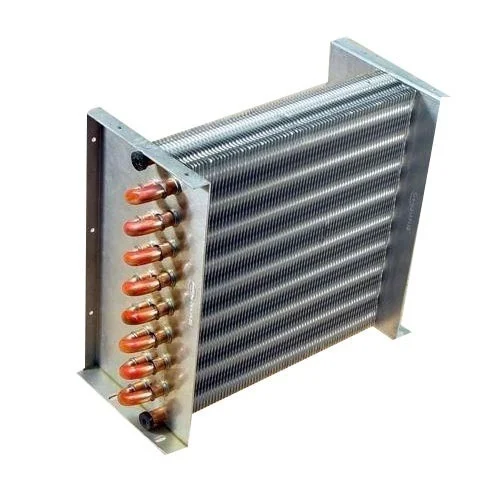
Heat transfer coils are at the heart of HVAC systems, refrigeration units, and industrial heat exchangers, ensuring effective thermal performance and consistent energy savings. Over time, coils can face challenges such as fouling, corrosion, scaling, and mechanical wear, leading to reduced efficiency and costly downtime. Implementing preventive maintenance is the smartest way to maximize coil lifespan, enhance heat transfer efficiency, and lower operating costs.
Why Preventive Maintenance Matters for Heat Transfer Coils
Preventive maintenance helps keep coils in optimal condition, allowing them to operate at peak thermal efficiency for years. Without it, debris buildup, corrosion, and air blockages can force systems to work harder, increasing energy consumption and shortening equipment life.
Key benefits include:
- Extended Coil Life – Proper care reduces wear and tear.
- Optimized Thermal Output – Clean coils maintain maximum heat transfer.
- Lower Energy Costs – Reduced airflow resistance and better efficiency.
- Minimal Downtime – Early detection of issues prevents unexpected failures.
Essential Preventive Maintenance Steps for Heat Transfer Coils
Regular Cleaning and Debris Removal
Dust, pollen, grease, and industrial contaminants can create an insulating layer on coil surfaces, drastically reducing thermal transfer. Use compressed air, coil cleaning chemicals, or low-pressure water for safe and effective cleaning.
Corrosion Protection
Apply protective coatings like epoxy or polyurethane to prevent damage from moisture, salt-laden air, and harsh chemicals, especially in coastal or industrial environments.
Inspection for Leaks and Damage
Routine visual checks can detect micro-leaks, fin damage, or tube cracks early. Leaks not only waste energy but can also cause refrigerant loss and performance issues.
Monitoring Airflow and Pressure Drop
Measure static pressure across coils to identify blockages. Increased pressure drop is a clear sign of dirt accumulation or fin deformation.
Water Treatment for Hydronic Coils
In water-based coil systems, proper water treatment and filtration prevent scaling, sediment buildup, and microbiological growth.
Alignment and Straightening of Fins
Bent fins restrict airflow, reducing system efficiency. A fin comb can help restore airflow and improve heat exchange.
Scheduled Professional Servicing
Annual or semi-annual professional inspections ensure that your coils receive expert cleaning, performance testing, and preventive repairs.
Pro Tips for Maximizing Coil Lifespan
- Use UV-C lights in air handling units to control biological growth.
- Install air filters with high MERV ratings to reduce dust ingress.
- Keep nearby surfaces and ducts clean to limit airborne contaminants.
- Use variable frequency drives (VFDs) to optimize fan speeds and reduce wear.
Preventive maintenance is not just about cleaning—it’s about protecting your investment. By following a structured maintenance schedule, you can ensure that your heat transfer coils operate at peak efficiency, deliver consistent thermal performance, and last significantly longer. In today’s energy-conscious world, a well-maintained coil is a win for cost savings, sustainability, and system reliability.