
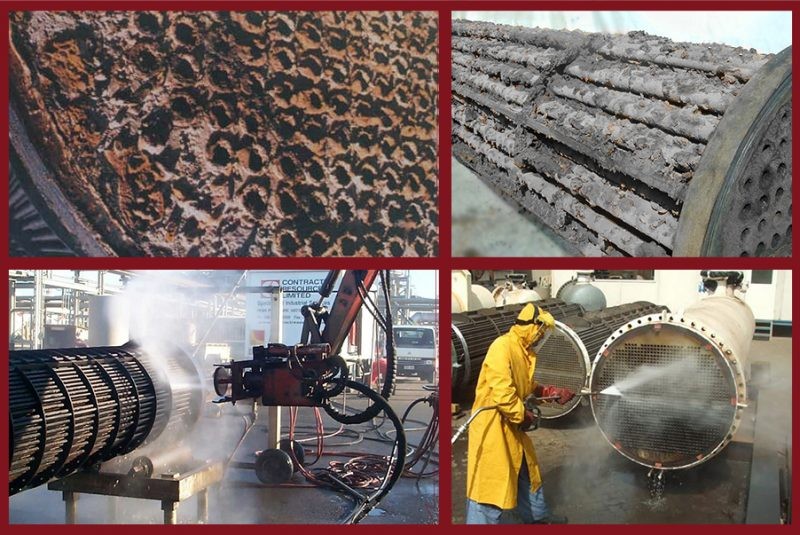
While routine cleaning to combat Heat Exchanger Fouling is the cornerstone of any maintenance plan, achieving maximum operational life from a Fixed Tube Heat Exchanger requires a more sophisticated approach. Beyond just maintaining Thermal Efficiency, a proactive strategy must address the hidden stresses that lead to premature failure. One often-overlooked factor is Flow-Induced Vibration. Inadequately supported tubes can vibrate due to fluid dynamics, leading to fatigue, fretting wear at baffle plates, and eventual tube failure. Implementing a Vibration Analysis program as part of your Preventive Maintenance schedule can detect these harmful oscillations long before they cause a catastrophic leak, transforming your maintenance from reactive to predictive and safeguarding Asset Integrity Management.
Another critical but frequently ignored aspect is the integrity of the exchanger’s exterior, specifically addressing the risk of Corrosion Under Insulation (CUI). While internal Corrosion gets significant attention, moisture trapped beneath insulation can silently corrode the shell and nozzles. A comprehensive inspection plan should include periodic, targeted removal of insulation, especially in low-point areas where water might collect, to assess the external condition of the shell. This proactive check is essential for preventing shell integrity loss, which can be just as detrimental as internal Tube Failure. Combining this with advanced Non-Destructive Testing (NDT) methods like ultrasonic thickness measurement provides a complete picture of the asset’s health, both inside and out.
Finally, long-term reliability is deeply connected to operational discipline and process control. The most effective Plant Maintenance Strategy starts before the exchanger even gets dirty. Rigorously managing the Process Fluid Chemistry by using appropriate Corrosion Inhibitors, maintaining stable pH levels, and filtering out abrasive particulates can dramatically reduce the rates of both corrosion and fouling. Furthermore, training operators on proper startup and shutdown procedures is crucial for preventing Thermal Shock. The rapid temperature changes from improper procedures create immense stress on the fixed tubesheet joints, a primary location for leaks in this type of design. By integrating chemical management and operational best practices into your maintenance philosophy, you can significantly Extend Heat Exchanger Life and improve overall Plant Reliability.
Ensuring the longevity and optimal performance of fixed tube heat exchangers requires a strategic approach to preventive maintenance. Regular inspections and timely interventions can significantly extend the lifespan of these vital industrial components. Key maintenance practices include thorough cleaning to prevent fouling and corrosion, which are the primary factors that impair heat transfer efficiency. Incorporating advanced techniques such as ultrasonic cleaning and chemical descaling can effectively remove deposits without damaging the tube surfaces. Additionally, monitoring pressure drops and temperature differences across the exchanger can help identify early signs of wear or blockages, preventing costly downtime and repairs.