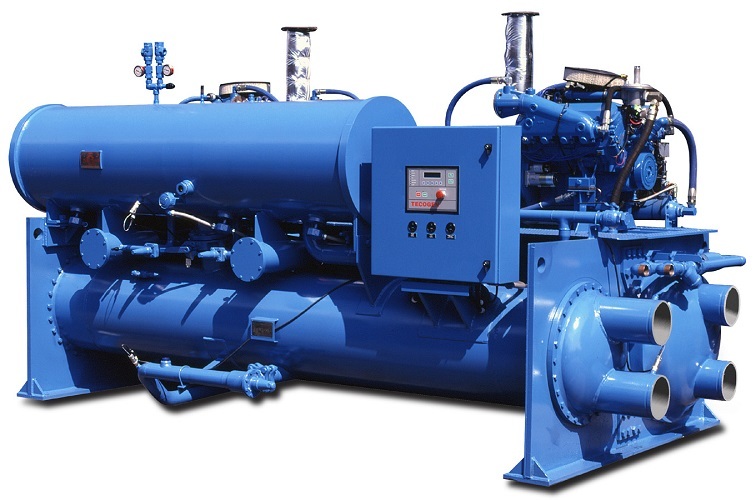
The Ultimate Guide to Reciprocating Chillers: Efficiency, Applications, and Maintenance
Are you looking for a reliable and cost-effective cooling solution for your industrial or commercial facility? Reciprocating chillers have been a cornerstone of the HVAC and process cooling industry for decades. Known for their durability and excellent performance at partial loads, these machines are a go-to choice for many facility managers.
In this guide, we’ll dive into how reciprocating chillers work, where they are best used, and why they might be the perfect fit for your next project.
What is a Reciprocating Chiller?
A reciprocating chiller is a type of refrigeration system that uses positive displacement compressors (similar to an automotive engine) to compress refrigerant gas. This compression cycle facilitates the heat exchange process required to cool water or other fluids for air conditioning or industrial processes.
How Does a Reciprocating Chiller Work?
The heart of the system is the reciprocating compressor. The cooling process follows a standard vapor-compression cycle:
- Compression: The compressor uses pistons driven by a crankshaft to pull in low-pressure refrigerant vapor and compress it into a high-pressure, high-temperature gas.
- Condensation: This hot gas travels to the condenser (either air-cooled or water-cooled), where it releases heat to the environment and turns into a high-pressure liquid.
- Expansion: The liquid refrigerant passes through an expansion valve, which drops the pressure and temperature significantly.
- Evaporation: The cold refrigerant enters the evaporator, absorbing heat from the “chilled water” circuit. The refrigerant boils back into a gas, and the cycle repeats.
Key Advantages of Reciprocating Chillers
Why choose reciprocating technology over centrifugal or screw chillers? Here are the primary benefits:
- High Pressure Capability: They can achieve high pressure ratios, making them ideal for specialized cooling requirements.
- Modular Flexibility: Many systems use multiple small compressors. If one fails, the others continue to run, ensuring your facility never loses cooling entirely.
- Cost-Effective: Generally, reciprocating chillers have a lower initial purchase price compared to centrifugal units.
- Excellent Part-Load Performance: By “cycling” compressors on and off, these chillers can efficiently handle varying cooling demands throughout the day.
Common Applications
Reciprocating chillers are versatile and can be found in various settings, including:
| Industry | Use Case |
|---|---|
| Commercial Buildings | Small to medium-sized offices and retail spaces. |
| Food & Beverage | Cold storage, breweries, and dairy processing. |
| Manufacturing | Plastic injection molding and machine tool cooling. |
| Healthcare | Maintaining precise temperatures for medical imaging equipment (MRIs). |
Export to Sheets
Maintenance Tips for Longevity
To ensure your chiller operates at peak efficiency and avoids costly downtime, follow these maintenance best practices:
- Regular Oil Analysis: Check for contaminants or acidity in the compressor oil to prevent internal wear.
- Leak Detection: Regularly inspect seals and joints; refrigerant leaks reduce efficiency and harm the environment.
- Clean the Tubes: Scale buildup in evaporator or condenser tubes can significantly increase energy consumption.
- Monitor Vibration: Excessive vibration is often an early warning sign of mechanical issues within the pistons or crankshaft.
Choosing the Right Chiller for Your Needs
While reciprocating chillers are robust, they are typically best suited for capacities under 200 tons. For massive industrial complexes, a centrifugal chiller might be more efficient, but for precision and reliability in smaller doses, the reciprocating model remains king.
Are you ready to upgrade your cooling system? Contact a specialist today to calculate the specific load requirements for your facility and see if a reciprocating chiller is the right investment for your bottom line.