
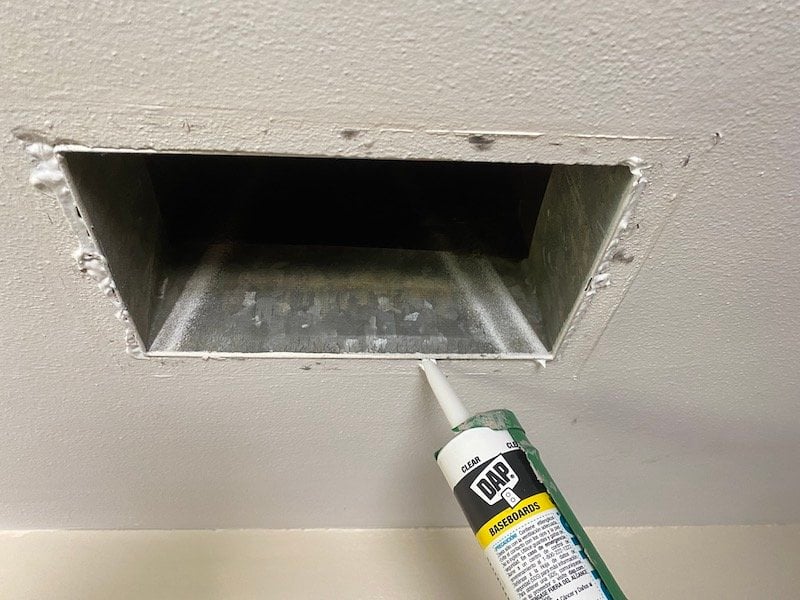
A plenum box plays a critical role in HVAC systems, serving as the central chamber that distributes conditioned air into ductwork. Even a small air leak in the plenum can cause energy loss, reduced airflow efficiency, increased utility bills, and system imbalance. Proper sealing is essential to maximize system performance and ensure air is delivered exactly where it’s needed.
Why Plenum Box Sealing Matter
- Prevents conditioned air loss into unconditioned spaces.
- Maintains balanced static pressure in the system.
- Reduces fan energy consumption.
- Prevents dust and contaminants from entering the system.
Common Leak Points in Plenum Boxes
- Duct-to-plenum joints
- Access panel seams
- Bolt and screw penetrations
- Cable or sensor entry points
- Worn gaskets in inspection doors
Effective Sealing Techniques
a) Mastic Sealant
- A thick, flexible paste applied to joints and seams.
- Ideal for sealing irregular gaps.
- Remains flexible, absorbing vibrations.
b) HVAC Foil Tape
- UL 181-rated foil tape ensures a long-lasting airtight seal.
- Best for smooth metal-to-metal joints.
- Resistant to temperature changes and moisture.
c) Gaskets
- Used in access doors and removable panels.
- Creates an airtight seal when panels are secured.
- Neoprene and EPDM gaskets work well for HVAC applications.
d) Spray Foam Sealant
- Fills larger gaps or penetrations.
- Expands to create a complete seal.
- Must be applied carefully to avoid airflow blockage.
e) Double-Sealing Method
- Combines mastic + foil tape for high-pressure systems.
- Provides redundancy in case one seal degrades over time.
Installation Best Practices
- Clean surfaces before applying sealant.
- Apply sealant on both inside and outside of joints if accessible.
- Maintain recommended sealant thickness (usually 1/16”–1/8” for mastic).
- Test for leaks using a duct leakage tester or smoke pencil.
Maintenance and Re-Sealing
- Inspect seals during annual HVAC servicing.
- Replace damaged gaskets immediately.
- Re-apply sealant if cracks or peeling are visible.
Proper sealing of a plenum box is not a one-time job—it’s part of ongoing HVAC maintenance. Using the right materials, application methods, and inspection routines ensures maximum airflow efficiency, reduced operating costs, and a longer system lifespan.