Here is a highly optimized, SEO-friendly content piece tailored specifically for spinning mill chillers.
This content targets high-intent keywords like “spinning mill chiller,” “yarn spinning cooling system,” and “industrial chiller for ring spinning,” while addressing the exact technical pain points that mill managers look to solve.
Mastering Ambient Control: High-Efficiency Industrial Chillers for Spinning Mills
In a yarn spinning mill, the environment is everything. The transformation of raw fiber into high-quality yarn relies entirely on a delicate balance of tension, moisture, and temperature. Excessive heat doesn’t just make the factory floor uncomfortable—it physically alters fiber behavior, degrades machinery lubricants, and triggers frequent yarn breakages.
Investing in a rugged, precision-engineered spinning mill chiller is the most effective way to protect your yarn quality, lower your hairiness index, and maximize your spindle speeds.
The Critical Role of Chillers in Yarn Production
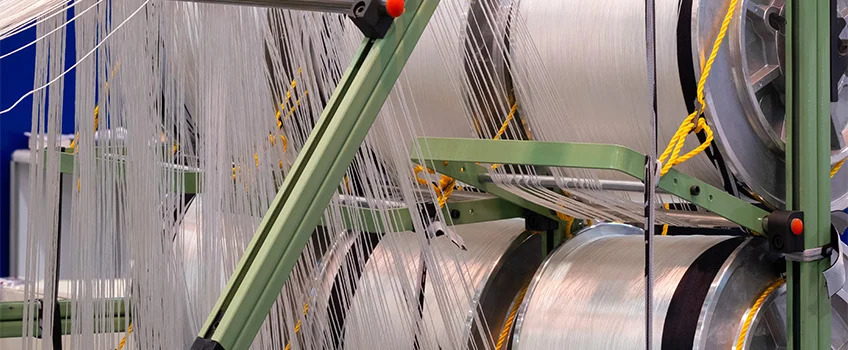
Modern spinning mills run 24/7 at incredibly high speeds. This relentless mechanical action generates massive thermal loads. A dedicated industrial chilling system integrates seamlessly with your Air Conditioning and Humidification Plants (LUWA systems) to regulate critical production variables:
- Controlling Fiber Static & Moisture: Heat dries out natural fibers like cotton, making them brittle. Proper chilling maintains the exact relative humidity needed to keep fibers pliable, reducing end-breaks on ring frames.
- Preventing Synthetic Fiber Melting: During the spinning of polyester, nylon, or blends, friction heat can reach the softening point of the polymer. Chillers prevent structural deformation and uneven drawing.
- Spindle & Motor Cooling: High-speed spindles and main drive motors generate intense localized heat. Chillers keep lubrication oils at optimal viscosity, preventing mechanical friction and premature bearing failure.
- Optimizing Combing & Carding: Keeping the air cool during carding prevents fiber neps (tiny knots) from forming, directly improving the final yarn grade.
Engineered for the Touhest Mill Environments
A standard commercial chiller will quickly choke on the air quality of a textile plant. Our spinning mill chillers are custom-built to handle the unique, high-lint realities of yarn manufacturing.