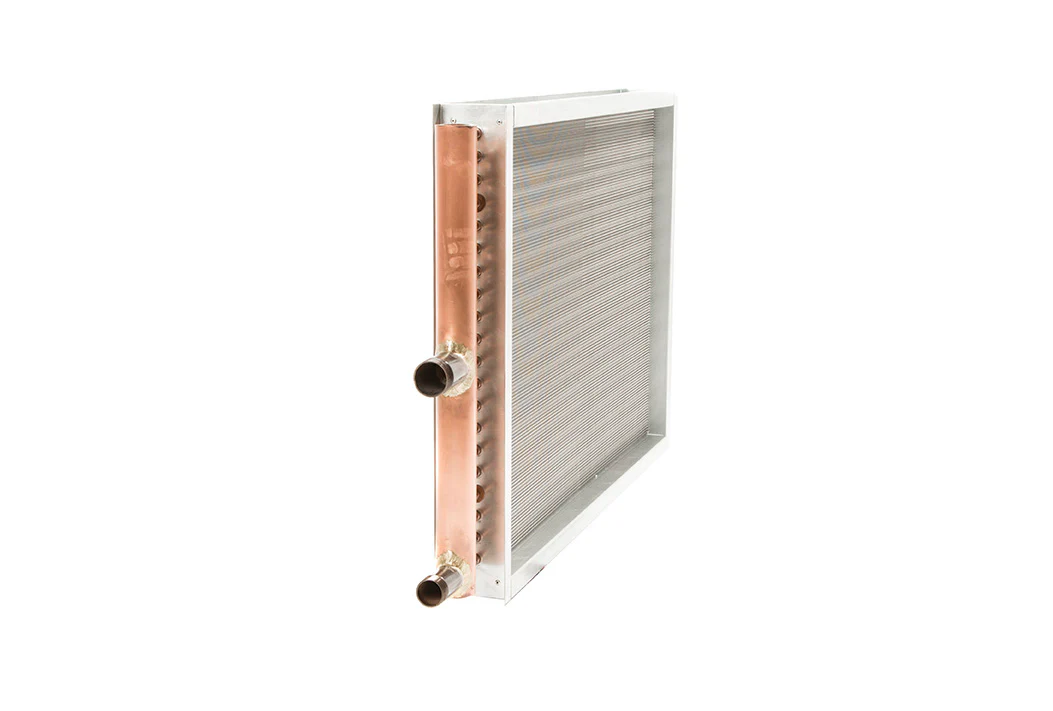
Uneven heating in steam coils is a common problem that can significantly affect the comfort, efficiency, and performance of HVAC systems. Steam coils are widely used in commercial, industrial, and institutional heating applications due to their rapid heat transfer and high-temperature capability. However, improper design, installation, or maintenance can lead to hot and cold spots, reducing overall heating efficiency and causing occupant discomfort. Understanding the root causes and implementing effective troubleshooting techniques is essential to maintain optimal coil performance.
Several factors can contribute to uneven heating in steam coils. Air or condensate trapping, incorrect coil orientation, improper slope, and malfunctioning steam traps are the most common culprits. Blocked tubes or fouling inside the coil can restrict steam flow, while faulty control valves can prevent even distribution across all coil passes. Additionally, inconsistent steam pressure or improper venting may cause certain areas to overheat while others remain underheated. Addressing these issues requires a systematic inspection, including checking the steam supply, traps, airflow, and coil integrity.
Preventive measures and corrective actions are critical to resolving uneven heating. Ensuring proper coil installation with the recommended slope and orientation, regular cleaning and maintenance, and timely replacement of faulty steam traps can eliminate most heating inconsistencies. Adjusting control valves, balancing the system, and venting trapped air are also effective strategies. By following these troubleshooting techniques, facility managers can ensure consistent, energy-efficient, and reliable heating performance, prolonging the lifespan of the steam coil while maintaining comfort and safety across the building.