Tube bundles are at the core of heat exchangers, ensuring smooth heat transfer across industries like power generation, petrochemicals, pharmaceuticals, and HVAC systems. While tube bundles are designed for durability, regular maintenance is crucial to extend their lifespan, enhance thermal efficiency, and prevent costly downtime.
In this blog, we’ll explore practical tips for maintaining tube bundles so your heat exchangers continue to operate at peak performance.
Regular Cleaning
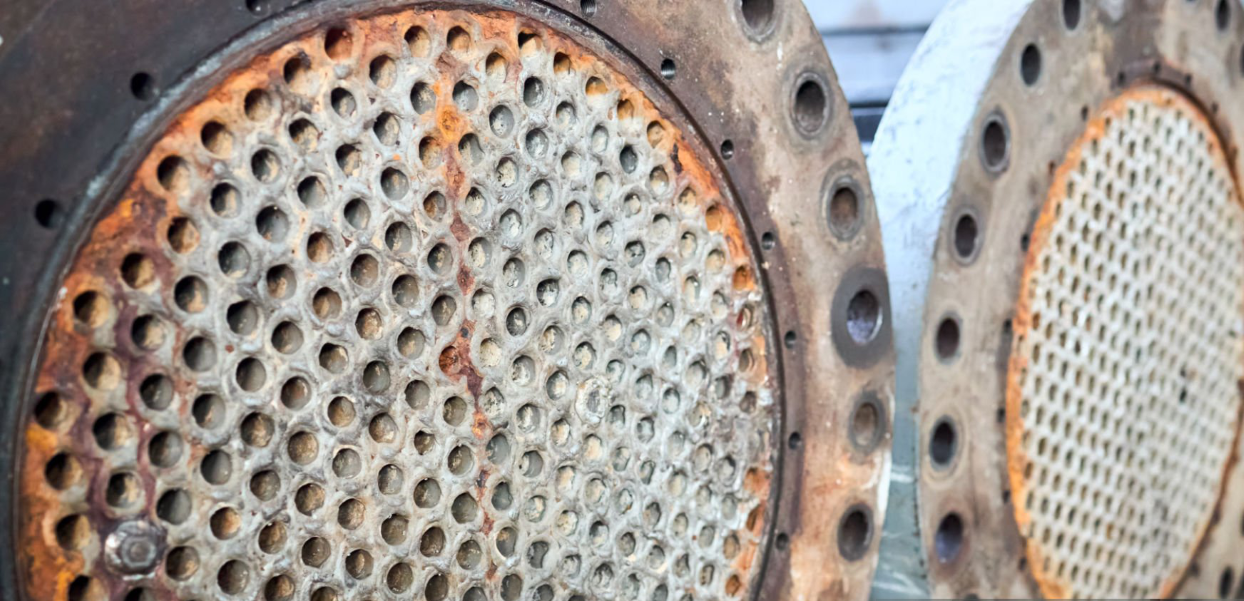
Deposits such as scale, sludge, and fouling build up on the inner and outer tube surfaces over time. This reduces heat transfer efficiency.
- Use chemical cleaning agents for scaling.
- Apply mechanical cleaning methods (brushes, scrapers, high-pressure water jetting) for stubborn deposits.
- For U-tube bundles, ensure careful handling to avoid bending during cleaning.
Inspect for Tube Leak
Leaks in tube bundles can lead to contamination of fluids and reduced performance.
- Perform hydrostatic testing to detect leaks.
- Use helium leak detection or infrared thermography for advanced monitoring.
- Address leaks quickly to avoid extensive tube damage.
Monitor for Corrosion
Corrosion is one of the main reasons tube bundles fail prematurely.
- Choose corrosion-resistant materials like titanium, stainless steel, or Cu-Ni alloys during design.
- Use corrosion inhibitors and ensure proper water treatment.
- Inspect tube sheets and joints regularly for pitting or crevice corrosion.
Check Tube Expansion & Welding Joints
The connections between the tube and tube sheet must be secure.
- Inspect expanded joints for loosening.
- For welded joints, check for cracks or weak spots using non-destructive testing (NDT).
Schedule Predictive Maintenance
Instead of waiting for failures, use predictive methods like:
- Vibration analysis to detect early tube damage.
- Infrared thermography to monitor heat distribution.
- Ultrasonic testing for wall thickness measurement.
Why Proper Tube Bundle Maintenance Matters
Neglecting tube bundle care can lead to:
- Higher energy consumption
- Lower heat transfer efficiency
- Risk of cross-contamination between fluids
- Expensive downtime and repairs
On the other hand, well-maintained tube bundles can last years longer, delivering cost savings, efficiency, and reliability across industrial applications.
Efficient tube bundle maintenance isn’t just about cleaning—it involves inspection, monitoring, corrosion prevention, and proactive testing. By following these tips, industries can ensure that their heat exchangers run at maximum efficiency, reduce operational costs, and minimize unexpected failures.