
Durability, Efficiency, and Selection for Industrial Cooling Solutions
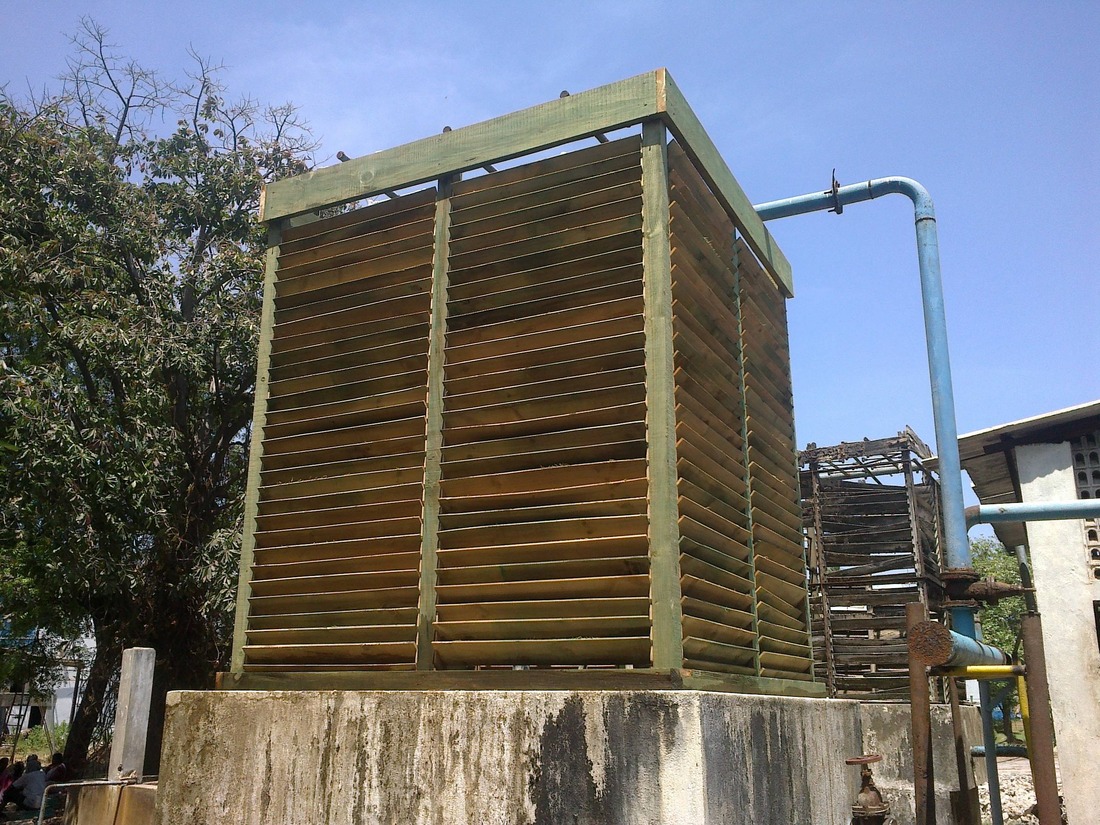
Cooling towers are the backbone of industrial process cooling—removing unwanted heat from systems across power plants, chemical industries, distilleries, steel plants, and more. While many towers today are made from FRP (Fiber-Reinforced Plastic), wooden cooling towers are still a preferred choice for large-capacity, heavy-duty applications due to their flexibility, repairability, and structural integrity.
But not just any wood can withstand the high moisture, chemical exposure, and thermal stress that cooling towers endure. Only specific treated hardwoods and softwoods are selected based on strength, decay resistance, and workability.
Let’s explore the top types of wood used in cooling towers, their properties, and why they are chosen for such critical infrastructure.
Why Wood Is Still Used in Cooling Towers?
Before diving into types, it’s worth understanding why wood is still favored in industrial towers:
- Natural shock absorption
- Cost-effective for large installations
- Easy to fabricate and repair on-site
- Resistant to vibration and resonance
- High structural strength-to-weight ratio
Top 5 Types of Wood Used in Cooling Towers
Sal Wood (Shorea robusta)
Sal wood is one of the most common choices in India and Southeast Asia for structural applications in cooling towers.
Properties:
- High density and strength
- Naturally durable and resistant to decay
- Withstands high humidity and heavy load
- Good dimensional stability
Applications:
- Used for main structural frames, beams, support posts, and fan decks
Southern Yellow Pine
A popular wood type in the USA and global cooling tower markets due to its availability and preservative absorption capacity.
Properties:
- High strength-to-weight ratio
- Good nail-holding and fastening capability
- Excellent for chemical treatment (ACQ or CCA)
- Economical for large-scale use
Applications:
- Ideal for cross-bracing, joists, fill support grids, and framing members
Douglas Fir
Known for its superior mechanical properties and workability, Douglas Fir is a preferred softwood in cooling tower engineering.
Properties:
- Strong and lightweight
- Excellent resistance to bending and twisting
- Easily treated with preservatives
- Fine grain makes it easy to work with
Applications:
- Often used in structural joints, frame extensions, and fan platform construction
Eucalyptus Wood
Used extensively in India and Australia, eucalyptus is a fast-growing hardwood that performs well after chemical treatment.
Properties:
- High natural hardness
- Durable under wet conditions
- Accepts CCA/ACQ treatment effectively
- Readily available and sustainable
Applications:
- Used for structural components, louvers, and deck planks
Teak (for specialty components)
Though expensive, teak is sometimes used for critical parts or smaller towers due to its natural resistance and long life.
Properties:
- Naturally oil-rich—repels moisture and insects
- Exceptionally durable
- Requires minimal treatment
- Premium aesthetic finish
Applications:
- Used in custom towers, premium parts, or corrosive environments (rare in standard industry use)
Essential Wood Treatments for Cooling Tower Longevity
Regardless of the type, no wood is used untreated. High-performance chemical treatments are applied to enhance life and resistance:
| Treatment | Full Form | Purpose |
|---|---|---|
| CCA | Copper Chrome Arsenate | Protects against rot, termites, fungus |
| ACQ | Alkaline Copper Quaternary | Eco-friendly wood preservative |
| Borate Treatment | Boric acid-based | Protection from insects and mold |
| Oil-Based Preservatives | (e.g., Creosote) | Heavy-duty outdoor exposure (limited use) |
Choosing the Right Wood: Factors to Consider
When designing a wooden cooling tower, the wood selection depends on:
- Load-bearing requirements (density & strength)
- Local climate (humidity, rainfall, UV)
- Chemical exposure (from water treatment or plant environment)
- Availability and cost (regional sourcing)
- Ease of replacement and repair (standard sizes and fixability)
Common Uses of Wood in Cooling Tower Construction
| Wood Component | Material Typically Used | Function |
|---|---|---|
| Columns & Main Frame | Sal / Pine / Douglas Fir | Load-bearing structure |
| Cross Bracing & Joists | Pine / Eucalyptus | Lateral support and stability |
| Fan Deck Platform | Sal / Teak / Eucalyptus | Maintenance access, fan support |
| Fill Media Grid Support | Pine / Douglas Fir | Hold splash or film fill media |
| Louver Framing | Sal / Eucalyptus | Air intake and splash protection |
Maintenance Tips for Wooden Tower Materials
- Apply preservative re-coating every 3–4 years
- Replace cracked or split members immediately
- Avoid standing water or debris near base
- Use stainless steel fasteners to prevent rust
- Perform annual inspections for fungal growth
The performance, life, and energy efficiency of a wooden cooling tower rely heavily on the type of wood used in its construction. From sal wood’s density to Douglas fir’s strength, each wood type serves a distinct purpose. Combined with the right preservative treatments and routine maintenance, these natural materials can deliver decades of reliable cooling for the most demanding industrial environments.
🌳 Choose wisely. Treat properly. Maintain regularly. That’s the formula for long-lasting wooden cooling towers.