
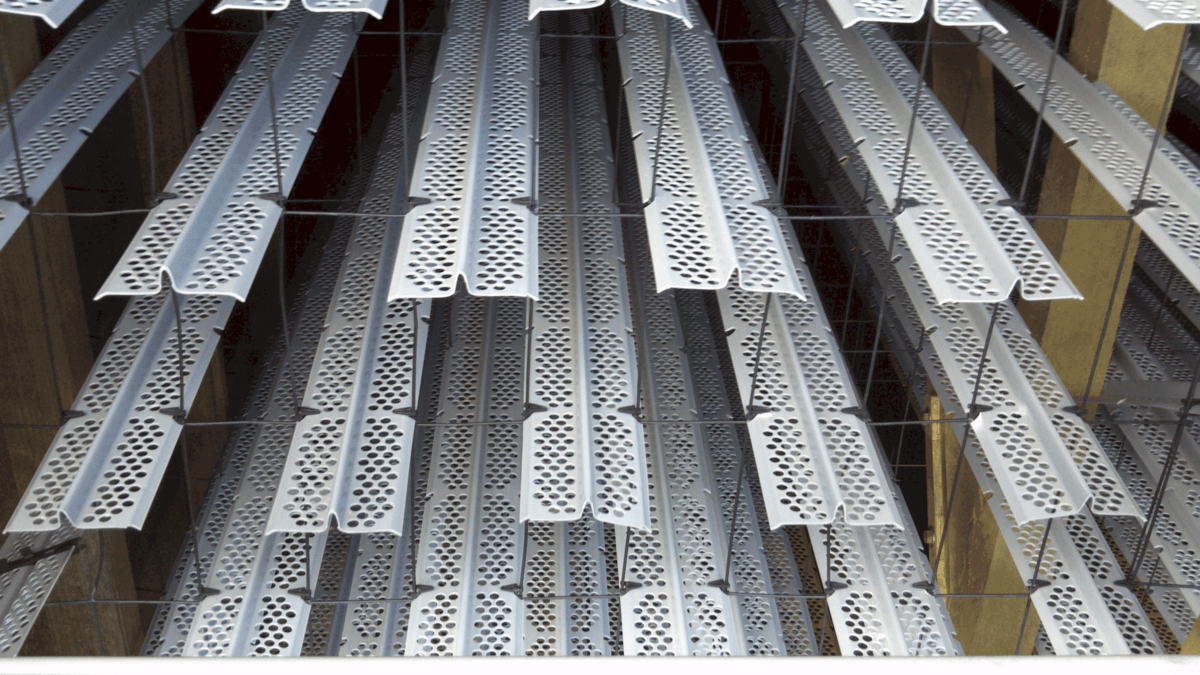
When it comes to the performance of wooden cooling towers, fill media is arguably the most critical internal component. It is the zone where hot process water and ambient air interact, making it the epicenter of heat exchange. Without well-designed fill media, even the most structurally sound cooling tower will fail to deliver efficient cooling.
In wooden cooling towers—especially those used in thermal power plants, chemical processing, sugar refineries, and fertilizer industries—the type, material, arrangement, and quality of the fill media plays a direct role in determining water temperature drop, airflow resistance, scaling resistance, and long-term performance.
This blog dives deep into the role of fill media in wooden cooling towers, exploring types, materials, designs, installation patterns, and how proper selection can enhance overall thermal efficiency.
What Is Fill Media?
Fill media is a heat exchange surface within a cooling tower where maximum water-air contact is achieved. It works by breaking the falling hot water into smaller droplets or spreading it into thin films, thereby increasing the surface area available for evaporative cooling.
Types of Fill Media Used in Wooden Cooling Towers
There are two main types of fill media configurations used, each suited to different operating conditions:
Splash Fill Media
Working Principle: Breaks water into droplets that splash over multiple layers of fill bars or grids, increasing air-water interaction.
Common Designs:
- Wooden slats arranged in staggered or step patterns
- PVC or HDPE splash bars on grid supports
Best For:
- Dirty or scaling-prone water
- Sugar mills, cement plants, steel and power industries
- Environments where water quality is difficult to control
Advantages:
- High tolerance to suspended solids and turbidity
- Easy to clean and maintain
- Durable even in rugged conditions
Film Fill Media
Working Principle: Spreads water into thin sheets over corrugated surfaces, allowing for higher thermal transfer within a compact area.
Common Designs:
- PVC corrugated sheets with vertical or cross-wave patterns
- May be suspended or placed on wooden/FRP supports
Best For:
- Clean water applications
- Industries requiring high thermal performance with space-saving
Advantages:
- Higher surface area = more efficient cooling
- Lower air resistance when clean
- Compact design reduces tower height
Limitations:
- Prone to clogging in dirty water environments
- Requires more frequent cleaning
Materials Used in Fill Media for Wooden Cooling Towers
| Material | Description | Suitability |
|---|---|---|
| Treated Wood | Chemically preserved hardwood slats (Sal, Pine, Eucalyptus) | Splash fill media in large wooden towers |
| PVC (Polyvinyl Chloride) | Corrugated or bar-type, UV resistant | Film or splash fill in clean water towers |
| PP (Polypropylene) | High temperature and chemical resistance | Hybrid towers or corrosive water conditions |
| HDPE | Rigid and strong, low fouling | Heavy-duty splash fill designs |
Fill Support Structure in Wooden Towers
The fill media is supported on a frame that’s integrated into the wooden tower’s internal skeleton:
- Cross beams and fill grids made of treated timber
- Corrosion-resistant steel bars or FRP brackets for PVC fills
- Open structure allows easy inspection and replacement
Fill Media Design Parameters
| Parameter | Splash Fill | Film Fill |
|---|---|---|
| Thermal Efficiency | Moderate | High |
| Fouling Resistance | High | Low |
| Maintenance Frequency | Low | High |
| Air Pressure Drop | Low | Moderate |
| Water Quality Tolerance | High | Low |
| Cost | Lower | Higher (depending on type) |
Installation & Maintenance Best Practices
- Maintain proper spacing to allow air to flow freely.
- Inspect fill condition quarterly for slime, algae, and scale.
- For splash fills, ensure no warping or decay of wooden slats.
- Replace damaged or broken PVC sheets immediately.
- Keep the water distribution system clean for even wetting.
- Use biocides and antiscalants for improved lifespan of fill material.
- Avoid sharp airflow blockages to prevent uneven cooling zones.
When Should You Replace Fill Media?
- Uneven outlet water temperatures
- Visible slime, scaling, or algae growth
- Cracked, deformed, or sagging fill sections
- Excessive pressure drop through the tower
- Reduced cooling capacity despite normal fan operation
The fill media in a wooden cooling tower is where the magic of cooling actually happens. Whether you choose splash fill for rugged reliability or film fill for high performance, the proper selection and maintenance of fill media can drastically impact your cooling tower’s efficiency, energy consumption, and lifespan.
Understanding the operating conditions, water quality, and thermal needs is key to choosing the right type and material of fill. With good design and routine care, your wooden cooling tower will provide years of reliable, cost-effective cooling.
🔥 Remember: If the fill fails, the cooling fails.