Here is an SEO-friendly, highly engaging, and structured piece of content optimized for the title “Air Cooled vs. Water Cooled Chillers: Key Differences & How to Choose.” —
Air Cooled vs. Water Cooled Chillers: Key Differences & How to Choose
When it comes to large-scale commercial HVAC or industrial process cooling, choosing the right chiller system is one of the most critical decisions you will make. The debate almost always comes down to two main contenders: Air Cooled Chillers and Water Cooled Chillers.
While both systems serve the exact same purpose—removing heat from a building or industrial process—they do it in fundamentally different ways. Choosing the wrong one can lead to skyrocketing energy bills, frequent maintenance headaches, and subpar cooling performance.
Here is a comprehensive breakdown of the differences between air-cooled and water-cooled chillers to help you make the smartest investment for your facility.
1. How They Work: The Core Difference
The primary distinction between these two systems lies in how they reject the heat they gather from your facility.
Air Cooled Chillers
Air-cooled chillers use ambient air to cool the refrigerant. Mechanically driven fans force outdoor air across a condenser coil (similar to a massive car radiator) to dissipate heat.
Water Cooled Chillers
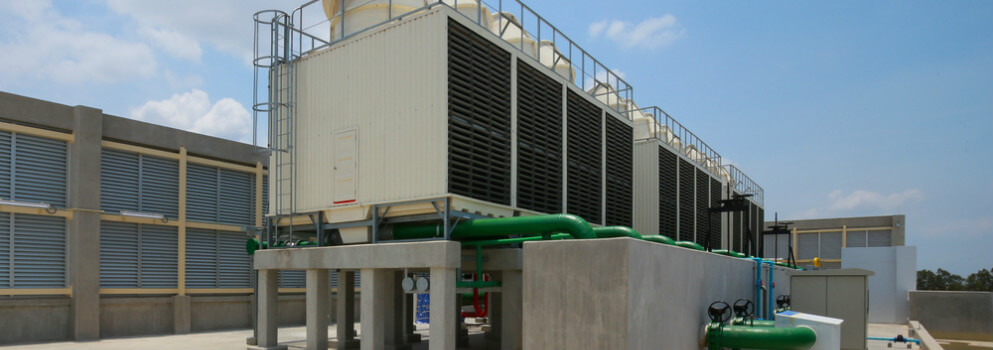
Water-cooled chillers utilize water to absorb heat from the refrigerant. This process requires a secondary loop connected to an external cooling tower, which evaporates water into the atmosphere to reject the heat.
2. Head-to-Head Comparison
To give you a quick snapshot, let’s compare how these two systems stack up across key operational categories:
| Feature | Air Cooled Chillers | Water Cooled Chillers |
|---|---|---|
| Heat Rejection Medium | Ambient Air | Water (via Cooling Tower) |
| Energy Efficiency | Moderate (lower in extreme heat) | High to Very High |
| Initial Cost | Lower (fewer components) | Higher (requires cooling towers & pumps) |
| Lifespan | 15–20 years (exposed to elements) | 20–30 years (housed indoors) |
| Water Consumption | None | High (due to evaporation) |
| Maintenance | Low to Moderate | High (requires water treatment) |
| Installation Footprint | Outdoors (roof or ground level) | Indoors (mechanical room) |
3. Deep Dive: Key Factors to Consider
Energy Efficiency (COP & kW/Ton)
Water is a much better conductor of heat than air. Because water-cooled chillers use a cooling tower to lower the water temperature based on the ambient wet-bulb temperature (which is lower than dry-bulb air temperature), they operate much more efficiently. If lowering your monthly utility bill is your absolute top priority, water-cooled is the clear winner.
Initial vs. Long-Term Costs
- Air-Cooled: These are “all-in-one” packaged units. They cost less upfront and require fewer components to install (no cooling towers, condenser water pumps, or complex piping).
- Water-Cooled: While the initial capital investment is significantly higher due to the extra equipment, their superior energy efficiency often yields a return on investment (ROI) within just a few years for large facilities.
Space and Location Constraints
- Air-cooled chillers must be installed outdoors (usually on rooftops or ground-level pads) because they require a massive, continuous stream of fresh air to operate.
- Water-cooled chillers are installed indoors, safely protected from weather elements in a mechanical room. However, you must have adequate roof or ground space nearby for the separate cooling tower.
Maintenance and Lifespan
Because air-cooled systems live outdoors, they are subjected to rain, snow, sun, and debris, resulting in a slightly shorter lifespan. However, their maintenance is straightforward—mostly keeping the coils clean.
Water-cooled systems live indoors and can last up to 30 years, but they require rigorous, ongoing water treatment. Scale, algae, and mineral buildup in the cooling tower can quickly ruin system efficiency and require chemical management.
4. The Verdict: Which One Should You Choose?
There is no one-size-fits-all answer, but you can narrow down your choice based on your specific situation:
Choose an Air Cooled Chiller if:
- Your facility is located in an area with severe water scarcity or high water costs.
- You want a simpler system with minimal ongoing maintenance.
- Indoor mechanical space is highly limited.
- Your total cooling load is relatively small to medium (typically under 400–500 tons).
Choose a Water Cooled Chiller if:
- You operate a massive facility (hospitals, data centers, large manufacturing plants) where cooling loads exceed 500 tons.
- Maximizing long-term energy efficiency and reducing your carbon footprint is a priority.
- You have a reliable, affordable source of water.
- You want a quieter system (air-cooled fans can be quite loud outdoors).
Pro Tip: Before making a final decision, always consult with a mechanical engineer to perform a full Life Cycle Cost Analysis (LCCA). This will calculate your exact regional utility rates, water costs, and climate data to show you precisely which system will save you the most money over time.