
Here is SEO-optimized content built around the core keyword building cooling chiller, structured to rank for both high-intent commercial searches and informational queries.
Core Content Structure (SEO-Optimized Copy)
H1: The Ultimate Guide to Building Cooling Chillers: Efficiency, Types, and Selection
For large commercial facilities, managing indoor climate isn’t just about comfort—it’s a massive operational expense. At the heart of most large-scale HVAC systems sits the building cooling chiller. Understanding how these systems work and selecting the right type can drastically reduce your facility’s carbon footprint and utility costs.
H2: What is a Building Cooling Chiller?
A building cooling chiller is a centralized cooling system that removes heat from a liquid (usually water or a water-glycol mixture) via a vapor-compression or absorption refrigeration cycle.
This chilled liquid is then circulated through pipes to Air Handling Units (AHUs) or fan coil units throughout the building to absorb heat from the indoor air, providing reliable, large-scale air conditioning.
H2: Air-Cooled vs. Water-Cooled Chillers: Which is Best for Your Building?
When investing in a commercial chiller, the biggest decision you will make is choosing between air-cooled and water-cooled configurations.
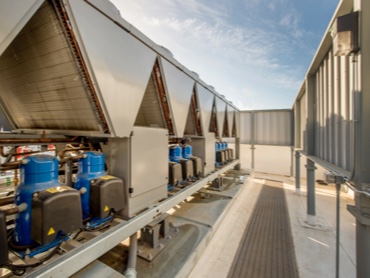
- Air-Cooled Chillers: These systems use ambient air to reject heat. They are typically installed outdoors (on roofs or ground-level pads) and utilize fans to blow air across a condenser.
- Pros: Lower installation costs, fewer components (no cooling tower needed), less maintenance.
- Best For: Small to medium buildings or locations with water scarcity.
- Water-Cooled Chillers: These systems use water to dissipate heat and are connected to an external cooling tower. They are typically installed indoors in a dedicated mechanical room.
- Pros: Significantly higher energy efficiency, longer lifespan, quieter operation.
- Best For: Large commercial complexes, high-rise buildings, and industrial plants.
H2: Key Factors to Consider When Selecting a Chiller System
To maximize your ROI and ensure your building stays consistently cool, evaluate the following factors before purchasing:
- Cooling Load Capacity: Ensure the chiller is sized correctly for your building’s peak cooling demands (measured in tons of refrigeration). Undersized units won’t keep up; oversized units will short-cycle and waste energy.
- Energy Efficiency Ratings: Look for units with high COP (Coefficient of Performance) or IPLV (Integrated Part Load Value) ratings to minimize long-term operational costs.
- Refrigerant Compliance: Ensure the system uses modern, eco-friendly refrigerants that comply with evolving environmental regulations.
- Maintenance Requirements: Factor in the cost of routine cleaning, water treatment (for water-cooled systems), and component inspections.
H2: Frequently Asked Questions (FAQ)
Q: How long does a commercial building chiller last? A: With proper, proactive maintenance, air-cooled chillers typically last 15 to 20 years, while water-cooled chillers can last 20 to 30 years.
Q: What is the ideal temperature for chilled water loops? A: Most standard commercial comfort-cooling systems are designed to supply chilled water at roughly 45°F (7°C) and return it at 55°F (13°C).