
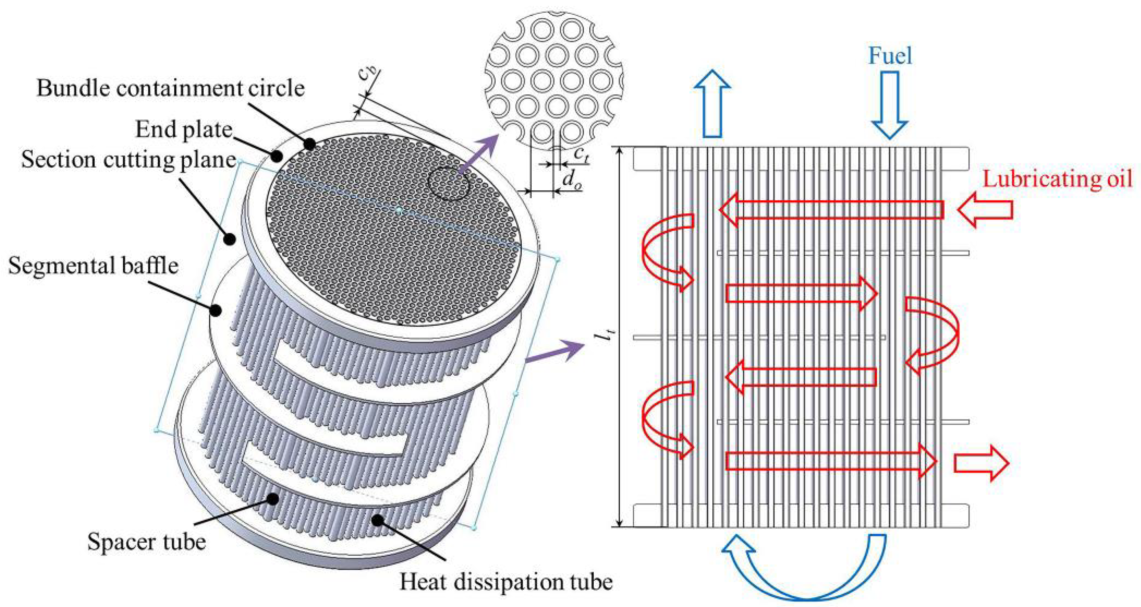
Shell & tube evaporators are widely used in industrial refrigeration, HVAC, and process cooling due to their efficiency and adaptability. However, to maintain peak performance, it’s essential to control capacity effectively. Capacity control strategies ensure that the evaporator matches the cooling load, prevents energy wastage, and prolongs equipment life. In this blog, we explore the most effective capacity control methods for shell & tube evaporators, their benefits, and best practices for implementation.
Why Capacity Control is Important
- Energy Efficiency – Prevents overcooling and reduces power consumption.
- System Stability – Avoids frequent compressor cycling, ensuring smoother operation.
- Temperature Accuracy – Maintains desired process or product temperatures.
- Equipment Longevity – Reduces wear and tear on compressors, valves, and evaporator components.
Common Capacity Control Strategies
Hot Gas Bypass
- How It Works – Redirects hot discharge gas from the compressor back into the evaporator inlet when load is low.
- Advantages – Simple to implement and provides stable evaporator pressure.
- Limitations – Less energy-efficient compared to other methods, as the compressor still runs at full capacity.
Cylinder Unloading
- How It Works – Shuts down some compressor cylinders during low load conditions.
- Advantages – Reduces power consumption by lowering compressor work.
- Limitations – Best suited for reciprocating compressors, less effective for variable loads.
Variable Speed Drives (VSDs
- How It Works – Adjusts compressor motor speed based on load demand.
- Advantages – Highly energy-efficient, smooth load matching, reduces wear on equipment.
- Limitations – Higher upfront cost but pays off in long-term savings.
Liquid Injection Control
- How It Works – Modulates refrigerant flow using an electronic expansion valve or liquid injection system.
- Advantages – Ensures precise evaporator load matching, improves temperature control.
- Limitations – Requires accurate sensors and controls for optimal performance.
Multiple Evaporator Circuits
- How It Works – Divides the evaporator into multiple circuits that can be activated or deactivated based on load.
- Advantages – Flexibility to adapt to wide load variations, avoids overcooling.
- Limitations – Requires a more complex piping and control system.
Factors to Consider When Choosing a Capacity Control Method
- Load Variation Pattern – Steady vs. fluctuating demand.
- System Size & Complexity – Small single-circuit vs. large industrial setups.
- Budget & ROI – Initial investment vs. long-term energy savings.
- Energy Efficiency Goals – Compliance with sustainability standards and operational targets.
Best Practices for Efficient Capacity Control
- Regular Performance Monitoring – Use pressure, temperature, and flow data to fine-tune controls.
- Preventive Maintenance – Keep valves, sensors, and control systems in optimal condition.
- Automation – Implement PLC or BMS-based intelligent control for real-time adjustments.
- Training – Ensure operators understand the control logic and system behavior.
Selecting the right capacity control strategy for shell & tube evaporators can significantly enhance performance, reduce energy costs, and extend equipment lifespan. Whether it’s hot gas bypass for simple systems or advanced VSD control for maximum efficiency, the right choice depends on your operational needs and budget. A tailored approach ensures optimal performance in all load conditions