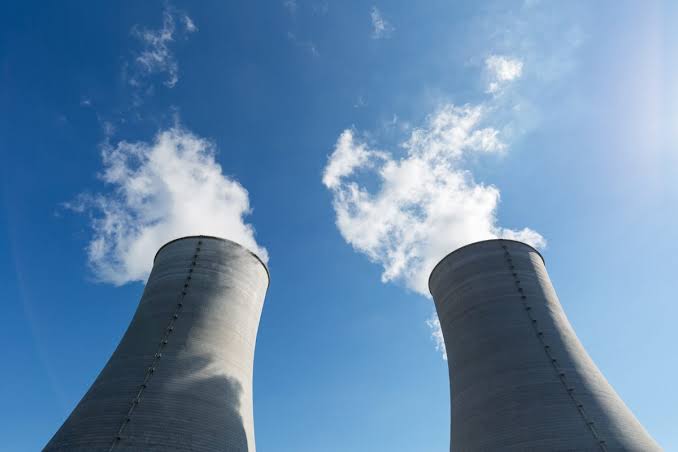
Choosing the right cooling tower is one of the most critical decisions for maintaining operational efficiency, minimizing downtime, and reducing energy costs in an industrial plant. Whether you are in power generation, chemical processing, HVAC, or manufacturing, an optimized cooling system is the backbone of your facility.
Here is a comprehensive guide to selecting the ideal industrial cooling tower for your plant’s specific needs.
1. Understand Your Thermal Load Requirements
Before looking at specific models, you must calculate the precise heat load your plant generates. Choosing a tower that is too small leads to equipment overheating, while an oversized tower results in unnecessary capital and operational expenditures.
Key metrics to determine include:
- Heat Load: The total amount of heat to be rejected, usually measured in British Thermal Units per hour (BTU/hr) or Tons of Refrigeration (TR).
- Water Flow Rate: The volume of water circulating through the system, measured in Gallons Per Minute (GPM) or cubic meters per hour ($m^3/hr$).
- Range: The difference between the hot water temperature entering the tower ($T_{in}$) and the cold water temperature leaving it ($T_{out}$).$$\text{Range} = T_{in} – T_{out}$$
- Approach: The difference between the cold water temperature leaving the tower ($T_{out}$) and the ambient wet-bulb temperature ($T_{wb}$) of the local geography.$$\text{Approach} = T_{out} – T_{wb}$$
Pro Tip: The ambient wet-bulb temperature is the absolute baseline for cooling. A cooling tower cannot cool the water below the local wet-bulb temperature, so accurate regional meteorological data is crucial during the design phase.
2. Choose the Right Draft Type: Natural vs. Mechanical
Cooling towers move air through the system using either natural buoyancy or mechanical assistance.
Natural Draft Cooling Towers
These massive, hyperbolic concrete structures rely on natural convection (the chimney effect) to move air.
- Best For: Massive power plants and large-scale industrial facilities with high heat loads.
- Pros: Minimal power consumption (no large fans), low maintenance, highly reliable.
- Cons: Extremely high initial construction cost and large physical footprint.
Mechanical Draft Cooling Towers
These towers utilize powerful, motor-driven fans to force or draw air through the system.
- Best For: Most manufacturing, chemical, and medium-to-large industrial plants.
- Pros: Compact footprint, precise temperature control, lower upfront costs.
- Cons: Higher ongoing electrical costs due to fan operation.
3. Compare Air Flow Configurations: Crossflow vs. Counterflow
Mechanical draft towers are further categorized by how the air interacts with the water.
| Feature | Crossflow Cooling Towers | Counterflow Cooling Towers |
| Airflow Direction | Air moves horizontally across the downward-flowing water. | Air moves vertically upward against the downward-flowing water. |
| Footprint | Typically larger footprint, but lower overall height. | More compact footprint, but taller structure. |
| Maintenance | Easier. Gravity-flow distribution basins can be cleaned while the tower is running. | Harder. Pressurized spray nozzles require the system to be shut down for maintenance. |
| Energy Efficiency | Variable, but generally requires lower pump head pressure. | Highly efficient thermal transfer, though may require higher pump head. |
| Freezing Risk | Higher risk in extremely cold climates. | Lower risk due to enclosed design and uniform water distribution. |
4. Select the Appropriate Fill Material
The “fill” or heat transfer surface is the heart of the cooling tower. It maximizes the contact area and time between the air and water.
- Film Fill: Directs water into thin, expanding films across PVC sheets. It offers maximum thermal efficiency but is highly susceptible to fouling and clogging if the water contains debris, scaling minerals, or biological growth.
- Splash Fill: Breaks water into tiny droplets by dropping it over a series of staggered bars. It is less thermally efficient than film fill but handles poor-quality or highly turbid industrial wastewater exceptionally well.
5. Evaluate Construction Materials for Longevity
The operating environment and water chemistry dictate what your cooling tower should be built from to prevent corrosion:
- Fiberglass Reinforced Polyester (FRP): Highly resistant to corrosion, lightweight, and ideal for corrosive chemical environments or coastal plants.
- Stainless Steel (304 or 316): Excellent durability and corrosion resistance, though it comes at a higher upfront capital cost.
- Galvanized Steel: Cost-effective and durable for standard HVAC or clean-water industrial applications, but prone to rust if water chemistry is not strictly maintained.
- Concrete: Used primarily for large field-erected towers due to its permanent structural longevity.
6. Factor in Location and Environmental Regulations
Where you place the tower matters just as much as its internal specs. Consider:
- Space Restrictions: Do you need a factory-assembled (packaged) tower that can be easily rigged, or a field-erected tower built entirely on-site?
- Acoustic Limits: If your plant is near residential areas, you may need to invest in low-noise fans, variable frequency drives (VFDs), or sound attenuation barriers.
- Plume Abatement: If the visible water vapor cloud from the tower restricts visibility near highways or airports, a hybrid (dry/wet) cooling tower may be required to eliminate the plume.
Conclusion: Making the Final Decision
Choosing the right cooling tower requires balancing upfront capital expenditure (CAPEX) with long-term operational expenditure (OPEX). Investing in automated water treatment systems, high-efficiency drift eliminators, and VFDs for your fans may cost more upfront, but it will save thousands in water treatment, energy, and maintenance costs down the road.
Always partner with a certified manufacturer who can run detailed thermal simulations based on your specific regional climate data and water quality reports.