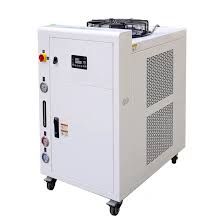
Optimizing the lifespan and efficiency of a fuel cell system requires more than just high-quality reagents; it requires thermal precision. Whether you are managing a stationary power plant or a heavy-duty transport application, the right fuel cell chiller is the difference between peak performance and system degradation.
Below is SEO-optimized content designed to target industry professionals, engineers, and procurement managers in the renewable energy sector.
High-Performance Fuel Cell Chillers: Thermal Management for the Hydrogen Economy
As fuel cell technology moves from the lab to large-scale industrial application, the demand for specialized fuel cell cooling solutions has never been higher. Fuel cells—particularly Proton Exchange Membrane (PEM) types—are highly sensitive to temperature fluctuations.
A dedicated fuel cell chiller ensures that your system operates within its “sweet spot,” maximizing electrochemical efficiency and protecting the delicate membrane electrode assembly (MEA).
Why Fuel Cell Systems Require Dedicated Chilling
Unlike traditional combustion engines, fuel cells operate at relatively low temperatures ($60$°C to $80$°C for PEM stacks). Maintaining this narrow window is critical for several reasons:
- Membrane Hydration: If the stack runs too hot, the membrane dries out, leading to a drop in proton conductivity and potential permanent damage.
- Heat Rejection: Fuel cells generate significant waste heat. An efficient chiller prevents “thermal runaway” during high-load periods.
- System Integration: In hydrogen fuel cell power plants, chillers manage the heat from both the stack and the auxiliary power electronics.
Essential Features of an Industrial Fuel Cell Chiller
When sourcing a cooling partner for fuel cell applications, look for these technical specifications:
- Deionized Water Compatibility: Most fuel cell stacks require cooling loops using deionized water to prevent electrical conductivity issues. Your chiller must be built with non-corrosive materials like stainless steel or high-grade polymers.
- Precision Temperature Control: Look for systems offering stability of $\pm 0.1$°C to $\pm 0.5$°C. Even minor swings can impact the voltage output of the stack.
- Low Conductivity Monitoring: Integrated sensors to monitor the coolant’s conductivity are essential for preventing “stray current” and ensuring stack safety.
- Variable Speed Compressors: Fuel cell loads can fluctuate. Inverter-driven compressors allow the chiller to scale cooling capacity in real-time, saving energy.
Applications for Fuel Cell Cooling
| Application | Cooling Requirement |
| Stationary Power | Continuous heat rejection for 24/7 grid support or backup power. |
| Testing & R&D | Simulating extreme environmental conditions for fuel cell stack validation. |
| Heavy-Duty Transport | Compact, high-vibration resistant chillers for buses, trucks, and maritime vessels. |
| Hydrogen Refueling | Pre-cooling hydrogen gas during the dispensing process to ensure rapid fills. |
Scale Your Green Energy Infrastructure with [Your Company Name]
At [Your Company Name], we understand the unique thermal challenges of the hydrogen value chain. Our fuel cell chillers are engineered for durability, precision, and ease of integration into existing energy management systems.
Ready to protect your fuel cell investment?
[Request a Technical Consultation] | [View Chiller Specifications]
SEO Metadata Strategy
- Focus Keyword: Fuel cell chiller
- Secondary Keywords: Fuel cell stack cooling, PEM fuel cell thermal management, industrial deionized water chiller, hydrogen fuel cell cooling system.
- Meta Description: Protect your fuel cell stack with high-precision chilling solutions. Our fuel cell chillers offer deionized water compatibility and exact temperature control for maximum efficiency.