
Optimizing your hydrogen plant’s performance often comes down to one critical factor: thermal management. As the global push for green energy intensifies, ensuring your electrolysis or compression system stays within peak operating temperatures isn’t just about efficiency—it’s about safety and longevity.
Here is SEO-optimized content designed to rank for industry-specific keywords while providing genuine value to engineers and plant managers.
High-Efficiency Hydrogen Plant Chillers: Maximizing Electrolyzer Performance
In the rapidly evolving landscape of hydrogen production, hydrogen plant chillers are the unsung heroes of the “Green Revolution.” Whether you are operating a PEM (Proton Exchange Membrane), Alkaline, or Solid Oxide electrolyzer, managing the heat byproduct is essential to maintaining high purity levels and preventing equipment degradation.
Why Temperature Control Matters in Hydrogen Production
Hydrogen production is an exothermic process. Without a robust industrial chilling solution, your plant faces significant risks:
- Electrolyzer Efficiency: Most electrolyzers operate best within a narrow temperature window. Deviations can lead to increased electrical resistance and lower yields.
- Gas Purity: Proper cooling is required to separate moisture from the hydrogen stream, ensuring the final product meets ISO 14687 standards.
- Component Longevity: Excessive heat accelerates the wear on membranes and catalysts, leading to costly premature replacements.
Key Features of Industrial Hydrogen Chillers
When selecting a chiller for a hydrogen facility, “standard” HVAC units won’t cut it. You need a system engineered for the rigors of industrial gas production:
- Redundancy & Reliability: Hydrogen plants often run 24/7. Look for chillers with dual circuits or “N+1” redundancy to prevent total system shutdowns.
- Explosion-Proof Options: Depending on the plant layout, chillers may need to meet ATEX or Class I, Division 2 safety certifications for hazardous environments.
- Precision Cooling: Advanced PLC controls allow for temperature stability within $\pm 0.5$°C, which is critical for sensitive PEM stacks.
- Low Global Warming Potential (GWP): Align your cooling tech with your “green” mission by using eco-friendly refrigerants.
Integrating Chillers into the Hydrogen Value Chain
Chillers are required at multiple stages of the hydrogen lifecycle:
| Stage | Purpose of Cooling |
| Electrolysis | Removing waste heat from the stack and electrolyte. |
| Compression | Lowering the temperature of gas between compression stages to increase density. |
| Storage & Liquefaction | Pre-cooling hydrogen to $-40$°C for high-speed refueling stations. |
Choosing the Right Cooling Partner
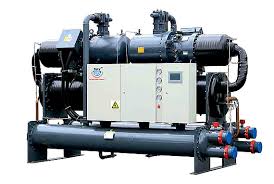
At [Your Company Name], we specialize in bespoke thermal solutions for the hydrogen economy. From modular air-cooled chillers to large-scale water-cooled systems, our technology is designed to scale with your production needs.
Looking to optimize your hydrogen plant’s uptime?
[Contact Our Engineering Team Today] or [Download our Hydrogen Cooling Whitepaper].
SEO Metadata Recommendations
- Focus Keyword: Hydrogen plant chiller
- Secondary Keywords: Electrolyzer cooling, hydrogen compression cooling, industrial process chiller, PEM electrolyzer thermal management.
- Meta Description: Maximize your hydrogen production efficiency with high-precision industrial chillers. Explore specialized cooling solutions for PEM and Alkaline electrolyzers.