Chemical Cleaning and Professional Maintenance Protocols
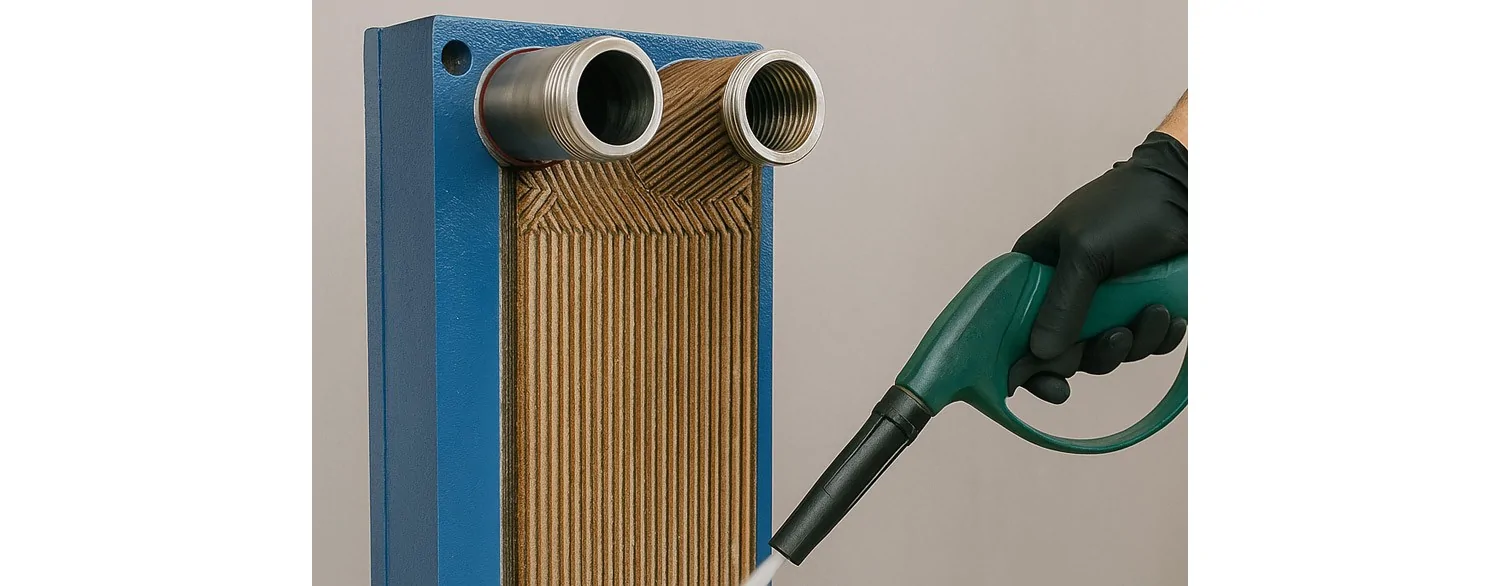
The sophisticated maintenance requirements of Cleaning Brazed Plate Heat Exchanger systems demand specialized cleaning procedures to maintain optimal thermal performance and extend operational lifespan. The simple reason for plate fouling decline is that as matter builds up in a plate’s grooves, the plate’s heat transfer capacity diminishes because the fouling is less thermally conductive than the plate itself. Modern Chemical Cleaning Heat Exchanger protocols utilize proven CIP (Cleaning-In-Place) methodologies that eliminate the need for complete disassembly. The weak acid used as a cleaning agent can be a 5% phosphoric acid or oxalic acid solution, circulating in the system in the opposite direction to normal use. Professional Heat Exchanger Maintenance Services recommend cleaning the system and rinsing the brazed plate heat exchanger with water for at least 30 minutes to ensure complete removal of chemical residues and restore peak thermal efficiency.
Advanced CIP Technology and Preventive Maintenance Strategies
The implementation of CIP Cleaning Heat Exchanger systems represents the most efficient approach to maintaining brazed plate heat exchangers without operational disruption. In most cases, a preventive CIP cleaning and maintenance program can offer a great solution. A preventive CIP program is recommended in all cases. Contemporary Preventive Maintenance Heat Exchanger strategies utilize specialized descaling agents like ScaleBreak formulations that effectively remove mineral deposits, scale, and other contaminants while protecting internal plate structures. For optimal cleaning, the flow rate of the cleaning solution should be at least 1.5 times the normal flow rate, preferably in a back-flush mode. After use, it is important to thoroughly rinse the heat exchanger with clean water. These sophisticated cleaning protocols ensure continuous operation while maintaining thermal efficiency and preventing costly downtime associated with complete system overhauls.
Professional Service Requirements and Safety Protocols
Effective Professional Heat Exchanger Cleaning requires specialized expertise and equipment to prevent damage to internal brazing and plate structures. If you want to extend the lifespan of your brazed plate heat exchanger, you need to trust a professional with this job. DIY techniques simply will not suffice! Modern maintenance protocols emphasize the importance of regular monitoring where pressure drops should be carefully checked, and as soon as there is a sign of an increase in pressure drops, at constant flow rate, that is the warning that the brazed plate exchanger is starting to get dirty. Industrial Heat Exchanger Maintenance services incorporate comprehensive safety measures including proper chemical handling, system isolation, and thorough post-cleaning verification procedures to ensure operational integrity and prevent contamination of downstream processes.
Performance Optimization and Long-Term Efficiency Management
Strategic Heat Exchanger Performance Maintenance focuses on maximizing thermal efficiency while minimizing operational costs through systematic cleaning and monitoring programs. When the system is cleaned on a preventive base, the deposits will never grow to a point where the system has to be taken apart. Furthermore, this will ensure that the plate heat exchanger will always run near peak performance. Contemporary maintenance strategies utilize advanced diagnostic techniques that monitor pressure drop variations, thermal performance degradation, and flow characteristics to optimize cleaning intervals. Proper maintenance and cleaning of your plate heat exchanger can help ensure optimal performance and longevity, while also minimizing the risk of product contamination and equipment failure. These Energy Efficient Heat Exchanger Maintenance programs deliver measurable benefits through reduced energy consumption, extended equipment life, and minimized unplanned downtime, making them essential for industrial applications requiring continuous thermal management performance.