
Here is a complete, SEO-optimized content template tailored to rank for “Foundry Cooling Chiller”. It includes optimized header structures, meta tags, and high-value industry keywords structured to appeal to plant managers, procurement engineers, and foundry operators looking for reliable thermal management solutions.
SEO Metadata Configuration
- Target Primary Keyword: Foundry cooling chiller
- Secondary Keywords: Industrial foundry chiller, metal casting cooling system, induction furnace chiller, die casting thermal management, heavy-duty process chiller.
- Meta Title: High-Performance Foundry Cooling Chillers | Heavy-Duty Process Cooling
- Meta Description: Maximize uptime and protect your induction furnaces with a rugged foundry cooling chiller. Explore custom, energy-efficient thermal management systems for precise die casting and metal molding.
Article Content Template
High-Performance Foundry Cooling Chillers: Optimizing Thermal Precision in Metal Casting
In the punishing environment of a modern metal foundry, heat is both your primary tool and your greatest vulnerability. From induction furnaces operating at blistering temperatures to high-pressure die casting machines requiring rapid cycle times, managing your plant’s thermal load is critical.
A heavy-duty foundry cooling chiller is the backbone of this process. It provides continuous, precise temperature regulation to safeguard your machinery, preserve structural integrity, and ensure consistency across every pour.
Why Metal Castings Demand a Dedicated Foundry Chiller
Industrial metallurgy requires specialized equipment. Standard commercial HVAC units or light industrial chillers simply cannot survive the dust, ambient heat, and relentless duty cycles of a metal casting facility.
Integrating a custom-engineered process chiller into your operations directly impacts three primary areas:
1. Protecting Induction Furnaces and Power Supplies
Induction melting coils generate immense magnetic and electrical heat. Without an exact, continuous flow of chilled water running through the copper coils and power supplies, these systems can overheat in minutes. This leads to catastrophic coil failure, expensive electrical arc-outs, and prolonged unplanned downtime.
2. Accelerating Die Casting Cycles
In die casting and permanent mold operations, production throughput depends entirely on how quickly a molten alloy can solidify. A dedicated foundry cooling chiller ensures rapid, uniform heat extraction from the molds. By tight-controlling the cooling window, you significantly compress cycle times and eliminate defects like structural shrinkage, porosity, and thermal cracking.
3. Stabilizing Sand Molding and Hydraulic Systems
Automated green sand molding lines rely on stable temperatures to maintain proper moisture levels and mold consistency. Furthermore, high-pressure automated casting machinery generates immense hydraulic heat. Keeping hydraulic fluids within their optimal temperature zone prevents seal degradation, valve sticking, and fluid breakdown.
Technical Features of a Rugged Foundry Cooling Chiller
When choosing a process chiller for a foundry layout, standard configurations won’t suffice. Look for systems engineered specifically with the following protective features:
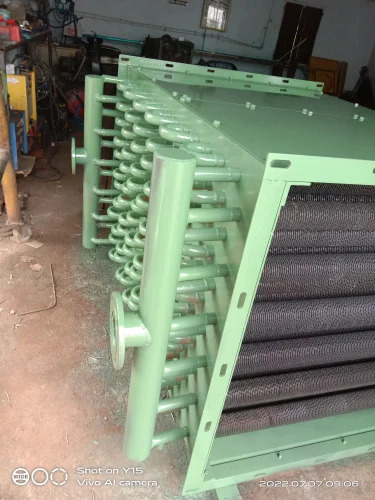
- Heavy-Duty Filtration & Sealed Cabinetry: Airborne particulate matter (sand dust, slag, graphite, and metal flakes) can quickly choke standard condensers. Industrial foundry chillers utilize washable air filters, sealed electrical panels, and corrosion-resistant fins.
- Redundant Compressing Systems: To guarantee continuous operation during unexpected component maintenance, top-tier chillers are designed with multi-circuit compressors. If one loop requires service, the secondary loop scales up to maintain critical baseline cooling.
- Extreme Ambient Operation: Foundries regularly experience ambient indoor temperatures exceeding 45°C (113°F). Your chiller must utilize high-ambient condensers and robust refrigerants capable of rejecting heat efficiently under extreme conditions.
- Variable Frequency Drive (VFD) Pumps: Foundry thermal loads fluctuate dramatically between melts. VFD pumping systems dynamically scale up or down to match the real-time heat load, maximizing energy savings when the plant isn’t running at peak capacity.
Air-Cooled vs. Water-Cooled Foundry Chillers
Choosing the right cooling medium depends heavily on your facility’s infrastructure, local water restrictions, and footprint limitations.
| Chiller Type | Best Suited For | Advantages | Key Challenges |
| Air-Cooled Chillers | Plants with limited water access or high-dust exterior zones. | Simple installation, zero water consumption, no cooling tower required. | Lower efficiency during peak summer heat waves; requires massive airflow. |
| Water-Cooled Chillers | High-tonnage operations with existing cooling towers. | Highest energy efficiency, completely unbothered by ambient room heat. | Requires ongoing water treatment to combat scaling and chemical fouling. |
Custom Thermal Engineering for Your Foundry
Every casting facility is uniquely configured. Whether you are retrofitting an older casting line to replace city water loops or implementing a centralized chiller plant for a high-volume automotive foundry, exact sizing is paramount. Undersizing a chiller risks catastrophic equipment shutdowns, while oversizing leads to massive energy waste and short-cycling.
Partnering with a specialized process cooling engineer allows you to evaluate your total cooling load, calculate minimum fluid flow rates, and install a closed-loop system that cuts down on your water bills while optimizing your entire manufacturing throughput.