
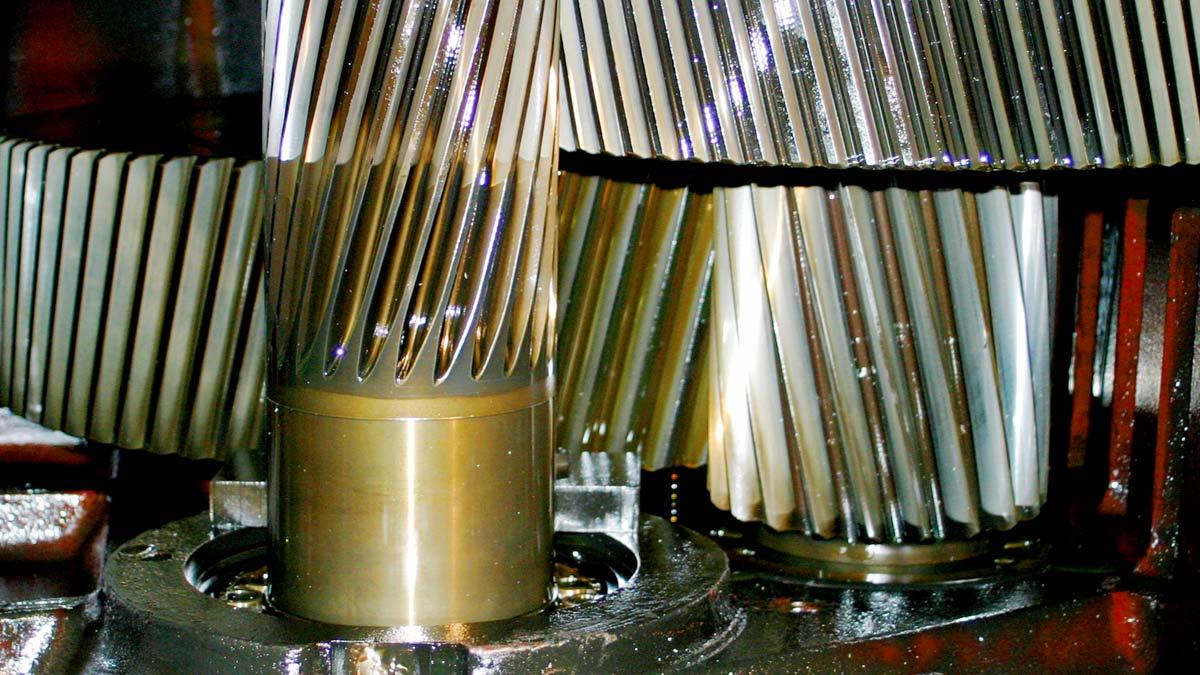
Maintaining the right oil temperature is critical for the smooth operation and longevity of industrial machinery. Oil serves as both a lubricant and a coolant, preventing wear, reducing friction, and ensuring efficient heat transfer. If the oil temperature is too high, it can degrade quickly, lose its viscosity, and damage vital machine components. On the other hand, oil that runs too cool may not circulate effectively, leading to increased wear and reduced energy efficiency. Hence, achieving the optimum oil temperature is essential for reliable industrial performance.
One of the most effective methods to regulate oil temperature is by using high-quality oil coolers, such as shell & tube oil coolers, air-cooled oil coolers, or water-cooled oil coolers, depending on the application. These cooling systems prevent overheating by dissipating excess heat and keeping the oil within the desired temperature range. In addition, selecting the right material for oil coolers, such as stainless steel, copper, or aluminum, further enhances cooling efficiency and ensures durability under harsh industrial conditions.
Routine maintenance plays a key role in oil temperature management. Regular cleaning of oil coolers, monitoring for leaks, and ensuring that the heat transfer surfaces are free of scaling and fouling will significantly improve system reliability. Monitoring oil quality, viscosity, and flow rate also helps prevent overheating and mechanical breakdowns. Using sensors and automated temperature control systems can further optimize cooling and ensure consistent oil performance.
Ultimately, maintaining optimum oil temperature extends the life of machinery, minimizes downtime, and reduces operational costs. By combining efficient oil cooler design with proactive maintenance and temperature monitoring, industries can achieve higher productivity and improved equipment reliability.